Struggling with weight loss and worried about losing muscle?
For many individuals battling obesity and a naturally slow metabolism, the journey to sustainable weight loss often feels like an uphill battle. Traditional calorie-restricted diets, while initially promising, frequently lead to a disheartening loss of muscle mass alongside fat, ultimately slowing down your metabolism further and making long-term success elusive.
However, there's a powerful nutritional strategy that can dramatically shift this paradigm: prioritizing protein. A high-protein diet is not just for bodybuilders; it's a critical component for anyone aiming to lose weight effectively while preserving their metabolic health and lean muscle mass. It helps you feel fuller, burns more calories during digestion, and protects your precious muscle, which is key to a vibrant, active metabolism.

The Weight Loss Dilemma: Why Conventional Diets Often Fail
For individuals struggling with obesity and a slow metabolism, the traditional approach to weight loss—simply eating less and moving more—often falls short. This isn't due to a lack of willpower, but rather a fundamental misunderstanding of metabolic physiology.
When you drastically cut calories without strategic nutritional planning, your body, sensing a famine, attempts to conserve energy. This often involves sacrificing metabolically active tissue, primarily **lean muscle mass**, to fuel essential functions. While the number on the scale might drop, a significant portion of that weight loss is often muscle, not just fat. This muscle loss is particularly detrimental because muscle tissue burns more calories at rest than fat tissue, meaning a reduction in muscle mass directly leads to a **slower resting metabolic rate (RMR)**. This creates a vicious cycle: you lose weight, your metabolism slows, making it harder to continue losing weight and easier to regain it once you stop dieting.
Moreover, restrictive diets can trigger powerful **hormonal adaptations**. Levels of leptin (the satiety hormone) can drop, while ghrelin (the hunger hormone) can rise, leading to increased hunger and cravings. This hormonal imbalance, combined with a slower metabolism, makes adherence incredibly difficult and sets the stage for the dreaded **yo-yo dieting effect**. For someone with an already slow metabolism, these challenges are amplified, making it imperative to adopt a strategy that protects and even builds muscle while promoting fat loss.
💡 Key Takeaway
Conventional calorie-restriction diets often lead to muscle loss, which slows metabolism and makes long-term weight management difficult, especially for those with obesity and slow metabolism. A smarter approach is needed to safeguard metabolic function.
The Protein Advantage: More Than Just Muscle Building
Protein is often hailed for its muscle-building capabilities, but its role in weight loss and metabolic health extends far beyond that. For individuals looking to shed excess weight and revitalize a sluggish metabolism, protein offers a multifaceted approach to achieving sustainable results.
Increased Satiety & Reduced Cravings
Protein is the most satiating macronutrient, meaning it keeps you feeling fuller for longer compared to carbohydrates or fats. This is due to its impact on hunger hormones like ghrelin and cholecystokinin (CCK). By promoting feelings of fullness, a high-protein diet naturally reduces overall calorie intake, minimizes snacking, and helps curb those nagging cravings that often derail weight loss efforts.
Enhanced Thermic Effect of Food (TEF)
Digesting and metabolizing food requires energy, a process known as the Thermic Effect of Food (TEF). Protein has a significantly higher TEF than carbohydrates or fats. Approximately 20-30% of the calories consumed from protein are burned during its digestion and assimilation, compared to 5-10% for carbs and 0-3% for fats. This means you effectively burn more calories just by eating protein, contributing to a higher daily energy expenditure.
Muscle Preservation & Growth
During a calorie deficit, the body is at risk of breaking down muscle tissue for energy. Adequate protein intake provides the necessary amino acids to protect existing muscle mass and even support new muscle growth, especially when combined with resistance training. Preserving muscle is paramount for maintaining a robust metabolism, as muscle is more metabolically active than fat, burning more calories even at rest. This is particularly vital for those with **slow metabolism** who need every metabolic advantage they can get.
Improved Blood Sugar Control
Unlike carbohydrates, protein has a minimal impact on blood sugar levels. Consuming protein with meals helps slow down the absorption of glucose, leading to more stable blood sugar and insulin responses. This stability can prevent energy crashes, reduce sugar cravings, and support fat burning, as high insulin levels can inhibit fat release from storage. For individuals with **obesity**, who often face insulin resistance, this benefit is particularly significant.
Metabolic Boost & Fat Oxidation
Beyond TEF, protein supports overall metabolic function. By helping to build and maintain muscle, it indirectly boosts your resting metabolic rate. Furthermore, some amino acids found in protein, like L-carnitine, play a direct role in fat metabolism by transporting fatty acids into the mitochondria to be burned for energy. This dual action makes protein a powerful ally in shifting your body towards a **fat-burning state**.
Hormonal Balance & Stress Reduction
Protein intake can positively influence various hormones involved in metabolism and appetite. It helps optimize the production of thyroid hormones, which are key regulators of metabolic rate. Additionally, certain amino acids are precursors to neurotransmitters that help regulate mood and stress. Chronic stress can impact metabolism and contribute to weight gain, so supporting hormonal balance through diet is a holistic benefit of adequate protein intake.
How Much Protein Do You Really Need for Weight Loss?
Determining the optimal protein intake for weight loss and muscle preservation is crucial, and it's often higher than what many people typically consume. While general dietary guidelines suggest around 0.8 grams of protein per kilogram of body weight for sedentary adults, this amount is often insufficient for those actively trying to lose weight, especially when dealing with **obesity and slow metabolism**.
For individuals aiming for **fat loss while preserving muscle**, research suggests a significantly higher intake. A good starting point is typically 1.6 to 2.2 grams of protein per kilogram of body weight (or 0.73 to 1.0 gram per pound of body weight). This higher range is particularly beneficial because it maximizes satiety, supports the thermic effect of food, and provides ample amino acids to counteract muscle breakdown during a calorie deficit. For example, a person weighing 80 kg (approximately 176 lbs) would aim for 128 to 176 grams of protein per day.
Factors like **activity level** also play a role. Those engaging in regular resistance training or intense physical activity may benefit from protein intake at the higher end of this spectrum to support muscle repair and growth. Furthermore, **age** is a consideration; older adults often require more protein to combat age-related muscle loss (sarcopenia) and maintain metabolic function. It's important to distribute your protein intake throughout the day, aiming for 20-40 grams per meal, to optimize muscle protein synthesis and keep hunger at bay. Listening to your body and making gradual adjustments based on your progress and satiety levels is key to finding your personal optimal intake.
Best Protein Sources for Your Diet
Incorporating sufficient protein into your diet doesn't have to be complicated. The key is to choose a variety of high-quality sources, prioritizing whole, unprocessed foods. Both animal and plant-based options offer excellent nutritional benefits.
Lean Meats & Poultry
Chicken breast, turkey, lean beef cuts (sirloin, round), and pork loin are excellent sources of complete protein. They are also rich in iron, zinc, and B vitamins, crucial for energy metabolism. Opt for grass-fed or organic options when possible for added benefits.
Fish & Seafood
Fatty fish like salmon, mackerel, and sardines provide not only high-quality protein but also beneficial omega-3 fatty acids, which have anti-inflammatory properties and support overall health. Leaner options like cod, tuna, and shrimp are also fantastic protein powerhouses with minimal fat.
Eggs & Dairy
Eggs are often called nature's perfect protein, containing all essential amino acids. Greek yogurt, cottage cheese, and milk are also superb sources, offering calcium and probiotics (in yogurt), which support gut health – another factor linked to metabolism and weight management. Choose low-fat or fat-free dairy to manage calorie intake if needed.
Legumes & Plant-Based Proteins
For those following plant-based diets or simply looking to diversify, lentils, black beans, chickpeas, and edamame are rich in protein and fiber. Tofu and tempeh are versatile soy-based options, offering complete protein. Quinoa is a complete protein grain, and nuts and seeds (almonds, chia, flax) provide protein, healthy fats, and fiber. Learn more about how these natural sources can help boost metabolism naturally.
Protein Powders
While whole foods should be your primary focus, protein powders (whey, casein, soy, pea, rice) can be a convenient way to meet your daily protein targets, especially post-workout or when time is short. Look for options with minimal added sugars and artificial ingredients. They can be easily added to smoothies, oatmeal, or baked goods.
Nutritional Yeast & Spirulina
Often overlooked, nutritional yeast provides a cheesy flavor and is a complete protein source, popular in vegan cooking. Spirulina, a blue-green algae, is another potent plant-based protein, rich in vitamins, minerals, and antioxidants, making it a powerful addition to smoothies or shakes for an extra metabolic kick.
💡 Key Takeaway
Aim for 1.6-2.2 grams of protein per kg of body weight daily, distributed across meals. Prioritize lean meats, fish, eggs, dairy, and diverse plant-based sources to maximize satiety, preserve muscle, and support a healthy metabolism.
Beyond Protein: A Holistic Approach to Metabolic Health
While protein is a cornerstone of effective weight loss and muscle preservation, it's essential to remember that it's part of a larger, holistic picture. Optimal metabolic health, especially for those grappling with **obesity and a slow metabolism**, requires attention to several interconnected lifestyle factors.
One of the most critical components is **regular physical activity**. While a high-protein diet protects muscle, resistance training actively builds it. Incorporating strength training exercises 2-3 times a week is paramount for increasing lean muscle mass, which in turn elevates your resting metabolic rate. Cardiovascular exercise also contributes by burning calories and improving heart health, but resistance training is the true game-changer for metabolic acceleration. A combination of both types of exercise is ideal for comprehensive fitness and fat loss.
**Quality sleep** is another non-negotiable aspect of metabolic health. Chronic sleep deprivation disrupts hormones that regulate appetite (ghrelin and leptin) and metabolism (insulin and cortisol). Poor sleep can increase hunger, reduce satiety, and make your body more prone to storing fat, particularly around the midsection. Prioritizing 7-9 hours of uninterrupted sleep each night can significantly impact your weight loss journey and overall well-being. To delve deeper into this connection, explore our article on sleep and weight loss.
Furthermore, **stress management** plays a profound role. Chronic stress elevates cortisol levels, a hormone that can promote fat storage, especially visceral fat, and contribute to insulin resistance. Finding effective ways to manage stress, whether through mindfulness, meditation, yoga, or hobbies, is vital for creating a favorable internal environment for weight loss. Similarly, **adequate hydration** supports all metabolic processes, aids in nutrient transport, and can even help with satiety, often being mistaken for hunger.
By addressing these interconnected factors—diet, exercise, sleep, stress, and hydration—you create a powerful synergy that optimizes your body's natural ability to burn fat, preserve muscle, and maintain a vibrant, efficient metabolism. Protein provides the foundation, but a holistic approach ensures lasting success.
The Role of Nutritional Support: Introducing Nagano Tonic
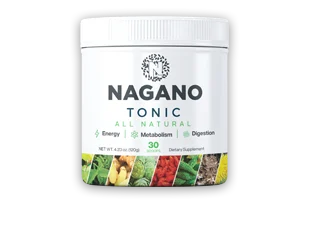
Even with a perfectly balanced, high-protein diet and a commitment to a healthy lifestyle, some individuals with a naturally slow metabolism or persistent weight challenges may benefit from targeted nutritional support. This is where supplements like Nagano Tonic can play a complementary role, designed to gently assist your body's natural metabolic processes.
Nagano Tonic is a unique blend of natural ingredients, each selected for its potential to support various aspects of metabolic health, energy production, and overall well-being. It's formulated to work synergistically with your efforts, helping to create a more favorable environment for fat burning and energy without relying on harsh stimulants. By addressing underlying factors that might be slowing your progress, Nagano Tonic aims to make your journey toward a healthier weight more effective and sustainable. It's important to view Nagano Tonic as one tool in your comprehensive weight management strategy, supporting your protein-rich diet and active lifestyle.

EGCG (Green Tea Extract)
Role: Boosts metabolism and fat oxidation. EGCG, a potent antioxidant found in green tea, is known to enhance thermogenesis and calorie burning, helping the body to utilize fat for energy more efficiently.
Typical dose: 200-500mg
Panax Ginseng
Role: Supports energy levels and metabolic function. This adaptogenic herb helps the body adapt to stress and supports healthy glucose metabolism, contributing to sustained energy and potentially aiding in weight management.
Typical dose: 200-400mg
Ashwagandha
Role: Reduces stress and supports thyroid function. As a powerful adaptogen, Ashwagandha helps manage cortisol levels, which can impact metabolism and fat storage. It also supports thyroid health, a key regulator of metabolic rate. For more on adaptogens, read our article on Ashwagandha and adaptogens.
Typical dose: 300-600mg
Chromium
Role: Improves insulin sensitivity and reduces cravings. Chromium is an essential trace mineral that helps regulate blood sugar levels by enhancing the action of insulin, which can lead to fewer sugar cravings and better fat metabolism.
Typical dose: 200-1000mcg
L-Carnitine
Role: Facilitates fat transport and energy production. This amino acid derivative is crucial for transporting fatty acids into the mitochondria, where they are burned for energy. It supports fat oxidation and can enhance exercise performance.
Typical dose: 500-2000mg
Resveratrol
Role: Potent antioxidant with metabolic benefits. Found in grapes and berries, Resveratrol is studied for its anti-aging and metabolic effects, including supporting healthy blood flow and potentially influencing fat metabolism and energy expenditure.
Typical dose: 100-500mg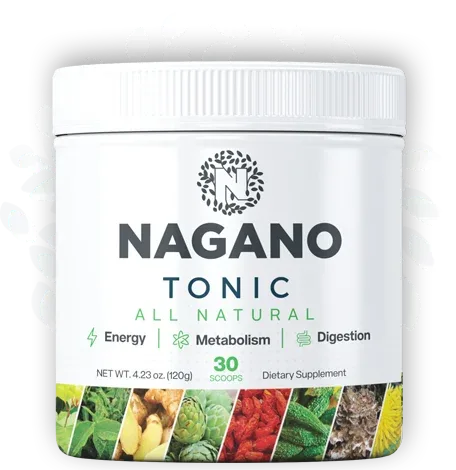
Unlock Your Metabolic Potential with Nagano Tonic
If you're serious about transforming your body and supporting a healthy metabolism, Nagano Tonic offers a unique blend of natural ingredients designed to complement your high-protein diet and active lifestyle. Don't let a slow metabolism hold you back from achieving your weight loss goals.
- ✓ Supports healthy metabolism for efficient fat burning
- ✓ Boosts natural energy levels without jitters
- ✓ Helps manage cravings and appetite
- ✓ Formulated with powerful, scientifically-backed ingredients
- ✓ Made in the USA in a GMP-certified facility



What Our Customers Say
"I've struggled with my weight and a sluggish metabolism for years. Adding Nagano Tonic to my high-protein diet has made a noticeable difference in my energy and how quickly I feel full. I'm finally seeing results!"
"After incorporating more protein and Nagano Tonic into my routine, I feel more energized and my cravings have significantly decreased. It's truly helped me stick to my weight loss plan and preserve my muscle."
"As someone over 50, muscle preservation is key. Nagano Tonic, combined with my protein intake and workouts, has helped me maintain my strength while losing stubborn fat. Highly recommend for metabolic support."
Frequently Asked Questions
Why is protein so important for weight loss and muscle preservation?
+Protein plays a crucial role in weight loss by increasing satiety, boosting metabolism through the thermic effect of food, and most importantly, preserving lean muscle mass during calorie restriction. Losing muscle mass can slow down your metabolism, making sustainable weight loss harder. A higher protein intake helps you feel full, reduces cravings, and ensures your body primarily burns fat for energy, not muscle.
Can I get enough protein from plant-based sources alone?
+Yes, it is entirely possible to meet your protein needs through plant-based sources, though it often requires more careful planning. Excellent plant-based protein sources include legumes (beans, lentils, chickpeas), tofu, tempeh, edamame, quinoa, nuts, seeds, and various plant-based protein powders (pea, rice, soy). Combining different plant proteins throughout the day can ensure you get all essential amino acids.
Will a high-protein diet damage my kidneys?
+For healthy individuals with normal kidney function, there is generally no evidence that a high-protein diet causes kidney damage. However, if you have pre-existing kidney disease, a very high protein intake could potentially exacerbate the condition. It's always crucial to consult with a healthcare professional or a registered dietitian before making significant dietary changes, especially if you have any underlying health conditions.
How does Nagano Tonic fit into a high-protein diet for weight loss?
+Nagano Tonic is designed to complement a healthy lifestyle, including a balanced diet rich in protein. Its ingredients, such as EGCG, Panax Ginseng, and Ashwagandha, are selected for their potential to support metabolism, energy levels, and stress management – all factors that can influence weight loss efforts. While it's not a protein supplement itself, it can help optimize your body's metabolic processes, making your protein-focused diet more effective.
Is Nagano Tonic safe to use with other supplements or medications?
+Nagano Tonic contains natural ingredients. However, as with any supplement, it's vital to exercise caution and consult your healthcare provider before combining it with other supplements or prescription medications. This is especially important if you have pre-existing medical conditions or are taking medications that could interact with certain herbal extracts. Your doctor can provide personalized advice based on your health profile.
How long does it typically take to see results with Nagano Tonic?
+Individual results can vary significantly depending on various factors such as diet, exercise, metabolic rate, and overall health. While some users may notice initial changes within a few weeks, consistent use over several months, combined with a healthy diet and regular physical activity, is generally recommended to experience the full benefits. Nagano Tonic comes with a 60-day money-back guarantee, allowing you to try it risk-free.
Related Articles