Feeling like your metabolism hit a wall after 50?
It's a common experience for many. As we gracefully age past our prime, our bodies undergo a series of natural, yet often frustrating, changes. One of the most significant shifts occurs within our metabolic system, leading to challenges like unexplained weight gain, persistent fatigue, and a general feeling of sluggishness.
You're not imagining it. Research consistently shows that our resting metabolic rate – the number of calories our body burns at rest – can decline by as much as 10% per decade after the age of 20, with a more noticeable drop after 50. But the good news is, you're not powerless against these changes. There are effective, evidence-based strategies you can adopt to reignite your metabolic engine and feel more vibrant than ever.

The Science Behind the Slowdown: Why Metabolism Changes After 50
Understanding the physiological shifts that impact your metabolism is the first step toward effective intervention. It's not just about "getting older"; it's about specific biological processes.
Your metabolism is a complex network of chemical processes that convert food into energy. This energy powers everything from breathing to thinking, and even maintaining your body temperature. After 50, several interconnected factors contribute to a noticeable deceleration:
Firstly, muscle mass decline, known as sarcopenia, is a primary culprit. Muscle tissue is metabolically more active than fat tissue, meaning it burns more calories at rest. As we age, we naturally lose muscle mass, and unless actively counteracted, this loss can significantly reduce our resting metabolic rate. For every pound of muscle lost, your body burns fewer calories, making it easier to gain weight even if your diet hasn't changed.
Secondly, hormonal shifts play a crucial role. For women, the onset of menopause brings a significant drop in estrogen levels. Estrogen influences fat distribution and metabolism, and its decline can lead to increased abdominal fat accumulation and a slower metabolic rate. In men, testosterone levels gradually decrease, which can also contribute to muscle loss and an increase in body fat. Hormones like thyroid hormones, insulin, and cortisol also see age-related changes that can impact metabolic efficiency.
Thirdly, there's a general decrease in physical activity levels. Lifestyle changes, joint pain, or simply a perceived decrease in energy can lead to less movement throughout the day. This reduction in Non-Exercise Activity Thermogenesis (NEAT) and structured exercise further contributes to fewer calories burned daily, exacerbating the metabolic slowdown.
Finally, cellular efficiency and mitochondrial function can diminish with age. Mitochondria are the "powerhouses" of our cells, responsible for energy production. As we age, these organelles can become less efficient, leading to lower energy output and a less robust metabolism. Chronic inflammation, often higher in older adults, can also impair metabolic processes and insulin sensitivity, making weight management even more challenging.
These combined factors create a perfect storm, making it harder to lose weight, easier to gain it, and often leaving individuals feeling less energetic and vibrant than they once were. Recognizing these changes is key to developing targeted strategies to mitigate their impact.
💡 Key Takeaway
Metabolism slows after 50 primarily due to muscle loss (sarcopenia), hormonal changes (estrogen, testosterone), reduced physical activity, and declining cellular energy efficiency. These factors collectively make weight management and energy maintenance more challenging with age.
Impact of a Slow Metabolism on Your Health and Well-being
A sluggish metabolism isn't just about the number on the scale; it has far-reaching implications for your overall health, energy levels, and quality of life.
Persistent Weight Gain
This is perhaps the most noticeable and frustrating symptom. Even if you maintain your eating habits from your younger years, a slower metabolism means your body burns fewer calories, leading to a caloric surplus and gradual weight accumulation, especially around the abdomen. This visceral fat is particularly concerning for health.
Chronic Fatigue and Low Energy
Since your body is less efficient at converting food into usable energy, you might experience constant tiredness, lack of motivation, and reduced stamina. Everyday tasks can feel more demanding, impacting your ability to enjoy activities you once loved and making exercise feel like a monumental effort.
Mood Swings and Cognitive Fog
Metabolism is intricately linked to brain function and neurotransmitter production. A slow metabolism can contribute to mood instability, irritability, and difficulties with concentration and memory, often described as "brain fog." This can significantly impact mental well-being and daily productivity.
Increased Risk of Chronic Diseases
The accumulation of excess body fat, particularly visceral fat, due to a slow metabolism increases the risk of serious health conditions. These include type 2 diabetes, heart disease, high blood pressure, certain cancers, and metabolic syndrome. Addressing metabolic health is crucial for long-term disease prevention.
Digestive Issues and Bloating
A slower metabolic rate can also impact digestive processes, leading to issues like constipation, bloating, and a general feeling of sluggish digestion. When your body isn't processing nutrients efficiently, it can affect your gut microbiome and overall digestive comfort.
Expert Tips to Boost Your Metabolism After 50
While you can't stop the aging process, you absolutely can influence your metabolic rate. Here are practical, evidence-based strategies to help you ignite your internal furnace.
Reversing the metabolic slowdown after 50 requires a multi-faceted approach that addresses diet, exercise, lifestyle, and potentially, targeted nutritional support. It's about creating sustainable habits that work with your body's natural rhythms.
1. Embrace Strength Training
This is arguably the most critical strategy for combating age-related metabolic decline. As mentioned, muscle burns more calories than fat. By engaging in regular strength training (2-3 times a week), you can build and preserve muscle mass, directly increasing your resting metabolic rate. Focus on compound exercises that work multiple muscle groups, such as squats, deadlifts, presses, and rows. You don't need heavy weights; bodyweight exercises, resistance bands, or light dumbbells are excellent starting points. Consistency is key here. To learn more about how exercise impacts your metabolism, you might find our article on how to boost metabolism naturally helpful.
2. Prioritize Protein Intake
Protein has a higher thermic effect of food (TEF) than carbohydrates or fats, meaning your body burns more calories digesting it. It also helps preserve muscle mass, especially important when you're trying to lose weight. Aim for about 25-30 grams of protein per meal, distributing it throughout the day. Excellent sources include lean meats, fish, eggs, dairy, legumes, and protein supplements. Adequate protein intake can also help you feel fuller for longer, reducing overall calorie consumption.
3. Stay Hydrated
Water is essential for every metabolic process in your body. Dehydration can slow down your metabolism. Studies suggest that drinking enough water can temporarily increase your metabolic rate. Aim for at least 8 glasses (around 2 liters) of water daily, and even more if you're active or in a warm climate. Sometimes, thirst is mistaken for hunger, leading to unnecessary snacking. Keeping a water bottle handy is a simple yet effective habit.
4. Get Quality Sleep
Sleep deprivation can wreak havoc on your metabolism. It disrupts hormones that regulate appetite (ghrelin and leptin) and increases cortisol, a stress hormone that can promote fat storage, particularly around the belly. Aim for 7-9 hours of quality sleep per night. Establish a consistent sleep schedule, create a relaxing bedtime routine, and ensure your bedroom is dark, quiet, and cool.
5. Manage Stress Effectively
Chronic stress elevates cortisol levels, which can lead to increased appetite, cravings for unhealthy foods, and a tendency to store fat, especially in the abdominal area. Find healthy ways to manage stress, such as meditation, yoga, spending time in nature, hobbies, or deep breathing exercises. Reducing stress not only benefits your metabolism but also your overall mental and physical health.
6. Incorporate Metabolic-Boosting Foods
While no single food is a magic bullet, certain foods can subtly support your metabolism. These include green tea (rich in EGCG), chili peppers (capsaicin), coffee (caffeine), whole grains, and foods rich in iron and B vitamins. Fiber-rich foods also contribute to satiety and healthy digestion. Focus on a balanced diet rich in whole, unprocessed foods.
7. Consider Targeted Nutritional Support
For some, lifestyle changes might need an extra boost. Natural supplements designed to support metabolic health can play a complementary role. Ingredients like EGCG, Panax Ginseng, and various antioxidants can help optimize cellular function and fat metabolism. It's always wise to discuss any new supplement with your doctor to ensure it's appropriate for your individual health needs. For those interested in natural solutions, you might want to explore the best natural weight loss drink supplements available.
💡 Key Takeaway
Actively boost your metabolism after 50 by prioritizing strength training to build muscle, increasing protein intake, staying well-hydrated, getting adequate sleep, effectively managing stress, and incorporating metabolic-friendly foods. Targeted supplements can also offer support.
Nagano Tonic: A Natural Approach to Metabolic Support
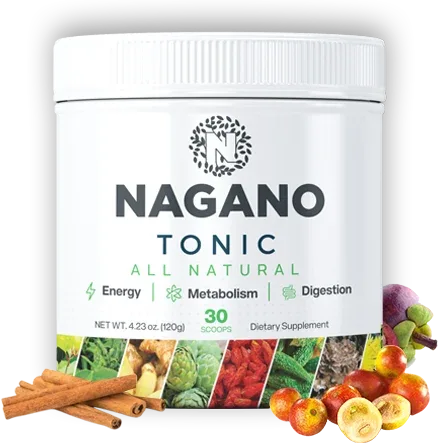
In the journey to revitalize your metabolism after 50, many seek natural solutions to complement their lifestyle changes. Nagano Tonic is designed with this in mind, offering a blend of ingredients traditionally recognized for their potential to support a healthy metabolic rate and overall well-being.
Nagano Tonic is a dietary supplement formulated to address the challenges of a slowing metabolism, particularly those associated with aging. It focuses on a holistic approach, aiming to support various aspects of metabolic function, including fat burning, energy production, and nutrient utilization. By combining carefully selected natural ingredients, it seeks to provide a gentle yet effective boost to your body's innate ability to manage weight and maintain vitality.
The philosophy behind Nagano Tonic is to leverage the power of nature to help your body rediscover its metabolic rhythm. It's not a quick fix, but rather a supportive tool designed to work in conjunction with healthy eating habits and regular physical activity. Many users report feeling more energized and noticing improvements in their body composition when consistently incorporating Nagano Tonic into their daily routine. To read about real experiences, check out Nagano Tonic reviews and real results.
The product emphasizes purity and quality, being made with natural ingredients in a GMP-certified facility, and is free from common allergens. For individuals over 50 looking for an additional edge in their metabolic health journey, Nagano Tonic offers a convenient and natural option to consider.
Key Ingredients in Nagano Tonic and Their Metabolic Benefits
Nagano Tonic harnesses the power of several potent natural ingredients, each selected for its unique contribution to metabolic health, energy, and overall wellness.

EGCG (Epigallocatechin Gallate)
Role: A powerful antioxidant found in green tea, EGCG is renowned for its ability to support thermogenesis (the body's heat production) and fat oxidation. It helps boost your metabolic rate, encouraging your body to burn more calories and fat for energy.
50-100mg per serving
Panax Ginseng
Role: An adaptogen known for its energy-boosting and stress-reducing properties. Panax Ginseng helps improve glucose metabolism and insulin sensitivity, which are crucial for efficient energy utilization and preventing fat storage. It also combats fatigue, enhancing overall vitality.
200-400mg per serving
Mangosteen
Role: Rich in xanthones, powerful antioxidants with anti-inflammatory properties. Mangosteen supports healthy blood sugar levels and can help reduce oxidative stress, which often hinders metabolic function. It aids in maintaining a healthy inflammatory response, vital for optimal cellular health.
100-200mg per serving
Ashwagandha
Role: Another adaptogenic herb, Ashwagandha helps the body manage stress and reduce cortisol levels. High cortisol can lead to increased belly fat and slow metabolism. By reducing stress, Ashwagandha indirectly supports a healthier metabolic state and improves sleep quality.
150-300mg per serving
Camu Camu
Role: One of the richest natural sources of Vitamin C, Camu Camu is a potent antioxidant. Vitamin C is essential for the synthesis of carnitine, a molecule required for transporting fatty acids into mitochondria to be burned for energy. It also supports immune function and overall cellular health.
50-150mg per serving
Ginger
Role: A well-known spice with thermogenic properties, ginger can slightly increase calorie expenditure and reduce feelings of hunger. It also aids digestion and has anti-inflammatory effects, contributing to overall gut health, which is closely linked to metabolic efficiency.
100-200mg per servingBeyond Supplements: A Holistic View of Metabolic Health
While supplements like Nagano Tonic can offer valuable support, true metabolic health after 50 is a symphony of consistent, healthy choices.
It's crucial to understand that no supplement, no matter how potent its ingredients, can replace the fundamental pillars of a healthy lifestyle. Think of Nagano Tonic, or any metabolic support product, as a helpful co-pilot, not an autopilot. Your consistent efforts in diet and exercise remain the primary drivers of your metabolic destiny.
Balanced Nutrition: Focus on whole, unprocessed foods. Prioritize lean proteins, abundant vegetables, healthy fats (avocado, nuts, seeds, olive oil), and complex carbohydrates (whole grains, legumes). Minimize sugary drinks, refined carbohydrates, and highly processed foods, which can lead to insulin resistance and hinder metabolic function. Eating regular, balanced meals can help stabilize blood sugar and prevent metabolic crashes.
Consistent Movement: Beyond structured workouts, integrate more movement into your daily life. Take the stairs, park further away, stand more often, and take short walks throughout the day. This "non-exercise activity thermogenesis" (NEAT) adds up and significantly contributes to your daily calorie burn. Even moderate-intensity activities like brisk walking, swimming, or cycling for 30 minutes most days of the week can make a substantial difference.
Mind-Body Connection: Stress, as we've discussed, is a metabolic saboteur. Practices like meditation, deep breathing, spending time in nature, or engaging in hobbies you love can lower cortisol levels. Cultivating a positive mindset and building strong social connections also contribute to overall well-being, which in turn supports a healthier hormonal and metabolic environment.
Regular Health Check-ups: As you age, regular visits to your doctor become even more important. Discuss your metabolic health concerns, get your blood work done, and rule out any underlying conditions (like thyroid issues) that might be impacting your metabolism. Your doctor can provide personalized advice and ensure that any supplements you consider are safe and appropriate for you.
By weaving these elements together, you create a robust framework for metabolic health that is sustainable and empowering. Nagano Tonic is designed to enhance these efforts, providing targeted nutritional assistance to help your body respond more effectively to your healthy choices.
Reclaim Your Energy and Vitality with Nagano Tonic
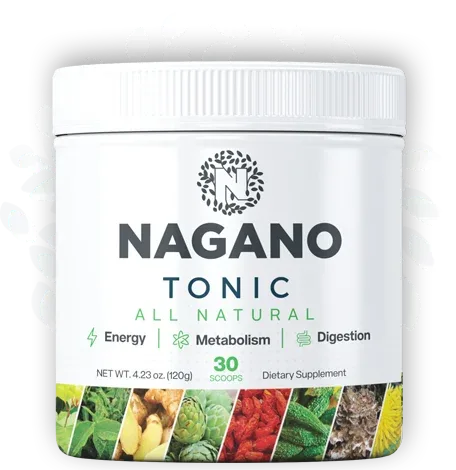
Don't let a slowing metabolism define your life after 50. Nagano Tonic offers a unique, all-natural formula specifically designed to support your body's metabolic functions, helping you feel more energized, manage your weight, and enjoy a vibrant life.
- ✓ Supports a healthy metabolic rate
- ✓ Promotes natural fat burning
- ✓ Boosts energy levels and vitality
- ✓ Made with 100% natural ingredients
- ✓ Manufactured in a GMP-certified facility



What Our Users Are Saying
"I was so frustrated with my energy levels and the weight creeping on after 50. Nagano Tonic, combined with my walks, has made a huge difference. I feel lighter and have more get-up-and-go!"
"My metabolism felt like it had completely stopped. After a few weeks on Nagano Tonic, I noticed a change in my digestion and my clothes started fitting better. It's truly helped me feel more in control."
"I was skeptical, but the natural ingredients intrigued me. I've been taking Nagano Tonic for three months now, and my energy is up, and I've even shed a few stubborn pounds. Highly recommend!"
Frequently Asked Questions
Why does metabolism slow down after age 50?
+Metabolism naturally slows due to several factors, including a decrease in muscle mass (sarcopenia), hormonal changes (like reduced estrogen in women and testosterone in men), and a general reduction in physical activity. Cellular energy efficiency can also decline, making it harder for the body to burn calories effectively.
Can I really boost my metabolism significantly after 50?
+Yes, while a complete reversal to youthful metabolic rates is unlikely, you can significantly improve your metabolic function. Implementing lifestyle changes such as strength training, increasing protein intake, prioritizing sleep, and managing stress can all contribute to a healthier, more efficient metabolism.
What are the best foods to eat to boost metabolism after 50?
+Focus on lean proteins (chicken, fish, legumes), fiber-rich vegetables and fruits, and healthy fats. Foods like green tea, chili peppers, and certain spices are also thought to have mild thermogenic effects. Adequate hydration is crucial, too.
How does Nagano Tonic support metabolism after 50?
+Nagano Tonic is formulated with a blend of natural ingredients known for their potential to support metabolic health. These ingredients, like EGCG from green tea, Panax Ginseng, and Mangosteen, aim to enhance fat burning, improve energy levels, and support overall metabolic efficiency, helping to counteract age-related slowdowns.
Is Nagano Tonic safe for older adults?
+Nagano Tonic uses a blend of natural ingredients. However, as with any supplement, it's crucial to consult with your healthcare provider before starting, especially if you have existing medical conditions or are taking other medications. The product is manufactured in a GMP-certified facility.
How long does it take to see results from metabolic changes?
+Results vary depending on individual factors, consistency of effort, and the extent of metabolic slowdown. Many people report feeling more energized and noticing changes in body composition within a few weeks to a few months of consistently applying lifestyle changes and using supportive supplements.
Related Articles