Are you struggling with a slow metabolism, despite your best efforts?
In a world where quick fixes often disappoint, understanding the fundamental role of your metabolism is key to lasting health. Many individuals find themselves battling stubborn weight gain, persistent fatigue, and a general lack of vitality, often attributing these challenges to a sluggish metabolic rate. The good news is that your diet plays a profoundly powerful role in influencing this vital internal process.
This article, guided by the latest scientific research, will unveil how specific foods can act as natural allies, helping to kickstart your body's energy-burning engine. We'll explore how simple dietary choices can lead to a more efficient metabolism, improved energy levels, and a greater sense of well-being, paving the way for sustainable health goals.

Understanding Your Metabolism: More Than Just Weight Loss
Before we dive into specific foods, let's demystify metabolism. It's not just about how fast you burn calories; it's the sum of all chemical processes that keep your body alive and functioning.
Your metabolism is a complex network of biochemical reactions that convert the food you eat into energy, build and repair tissues, and eliminate waste products. It's the engine that powers every single cell in your body, from your brain to your muscles. When we talk about a "slow metabolism," we're often referring to a reduced Basal Metabolic Rate (BMR), which is the number of calories your body burns at rest to perform essential functions like breathing, circulation, and cell production. Factors like age, genetics, gender, body composition, and lifestyle choices all influence your BMR. For many struggling with obesity and slow metabolism, optimizing this rate is a primary goal.
Beyond BMR, there's the Thermic Effect of Food (TEF), which is the energy your body expends to digest, absorb, and process nutrients from your meals. Different macronutrients have varying TEF values, with protein requiring the most energy to break down. This is a crucial concept when considering metabolism-boosting foods. Lastly, there's the energy expended through physical activity, known as Non-Exercise Activity Thermogenesis (NEAT) and Exercise Activity Thermogenesis (EAT). While often overlooked, even small increases in daily movement can contribute significantly to overall calorie expenditure and metabolic health. Understanding these components helps us appreciate how comprehensive a role diet plays.
💡 Key Takeaway
Metabolism is the total of all chemical processes in your body, vital for energy, repair, and waste elimination. A "slow metabolism" often means a lower Basal Metabolic Rate (BMR), affecting energy and weight. Diet, especially foods with a high Thermic Effect, can significantly influence this process.
The Power of Protein: Building Blocks for a Better Metabolism
Protein is arguably the most impactful macronutrient when it comes to boosting your metabolic rate. Its high thermic effect means your body burns more calories just to digest it.
When you consume protein, your body expends significantly more energy to break it down and utilize its amino acids compared to fats or carbohydrates. This is known as the Thermic Effect of Food (TEF), and protein has the highest TEF, accounting for 20-30% of its caloric content. This means that for every 100 calories of protein you eat, your body uses 20-30 calories just to process it. In contrast, carbohydrates have a TEF of 5-10%, and fats only 0-3%. Incorporating ample protein into your diet can therefore lead to a sustained increase in calorie expenditure throughout the day. Furthermore, protein is essential for building and maintaining lean muscle mass. Muscle tissue is metabolically more active than fat tissue, meaning it burns more calories at rest. By preserving and increasing muscle mass through adequate protein intake and strength training, you can effectively raise your BMR, making your body a more efficient fat-burning machine. This synergy between protein and muscle mass is a cornerstone of effective metabolic health strategies.
Excellent sources of lean protein include chicken breast, turkey, fish (like salmon and tuna), eggs, lean beef, and dairy products such as Greek yogurt and cottage cheese. For those following plant-based diets, lentils, beans, chickpeas, tofu, tempeh, and quinoa offer robust protein profiles. Aim to include a source of protein with every meal and snack to maximize its metabolic benefits. This consistent intake not only supports muscle synthesis but also helps with satiety, reducing overall calorie intake by keeping you feeling fuller for longer. This double benefit – increased calorie burn during digestion and reduced hunger – makes protein an indispensable component of a metabolism-boosting diet. Choosing quality protein sources is also important, opting for unprocessed or minimally processed options whenever possible to avoid unnecessary additives and unhealthy fats.
Fiber-Rich Foods: Your Digestive System's Best Friend
Fiber, particularly soluble fiber, plays a crucial role in metabolic health by promoting gut health, regulating blood sugar, and increasing satiety.
Stabilizes Blood Sugar
Soluble fiber forms a gel-like substance in the digestive tract, slowing down the absorption of sugar into the bloodstream. This prevents rapid spikes and crashes in blood glucose, which can lead to insulin resistance and a sluggish metabolism over time. Stable blood sugar levels help your body efficiently utilize energy and store less fat.
Enhances Satiety
Foods high in fiber add bulk to your meals, making you feel fuller for longer periods. This natural appetite suppression can help reduce overall calorie intake without feeling deprived, which is a key factor in weight management. When you feel satisfied, you're less likely to reach for unhealthy snacks that can derail your metabolic efforts.
Supports Gut Microbiome
Insoluble fiber acts as a prebiotic, feeding the beneficial bacteria in your gut. A healthy gut microbiome is increasingly recognized for its profound impact on metabolic health, influencing everything from nutrient absorption to hormone regulation and even fat storage. A balanced gut flora can improve digestion and nutrient utilization, indirectly supporting a healthy metabolism.
Increases TEF (Thermic Effect of Food)
While not as high as protein, fiber still requires more energy to digest than refined carbohydrates. The mechanical process of breaking down fibrous foods, combined with the beneficial fermentation in the gut, contributes to a slightly elevated thermic effect, adding to your daily calorie burn. This sustained digestive effort is beneficial for metabolic efficiency.
Top Fiber-Rich Foods to Include in Your Diet
Incorporating a variety of fiber-rich foods into your daily meals is a simple yet effective strategy for boosting metabolism and improving overall health.
Whole Grains: Swap refined grains for whole-grain alternatives like oats, brown rice, quinoa, and whole-wheat bread. These complex carbohydrates provide sustained energy and a significant fiber boost. Oats, in particular, are rich in beta-glucan, a soluble fiber known for its cholesterol-lowering and blood sugar-regulating properties. Quinoa is also a complete protein, offering a double benefit for metabolic health. Brown rice, while taking longer to cook, provides a steady release of energy, preventing energy dips and cravings.
Fruits and Vegetables: Virtually all fruits and vegetables are excellent sources of fiber, vitamins, and antioxidants. Berries (raspberries, blueberries, blackberries), apples, pears, and bananas are particularly high in fiber. Leafy greens like spinach, kale, and broccoli, as well as root vegetables such as carrots and sweet potatoes, should be staples in your diet. Aim for a colorful array to ensure a broad spectrum of nutrients. The diverse range of phytochemicals in fruits and vegetables also contributes to cellular health, which is foundational for efficient metabolic processes.
Legumes: Beans, lentils, chickpeas, and peas are powerhouses of both fiber and plant-based protein. They are incredibly versatile and can be incorporated into soups, stews, salads, and main dishes. Their combination of fiber and protein makes them exceptionally filling and metabolically advantageous. For example, a serving of black beans provides both soluble and insoluble fiber, along with a good amount of protein, making it an excellent choice for stabilizing blood sugar and promoting satiety. Regular consumption of legumes has been linked to better weight management and reduced risk of chronic diseases.
By consistently choosing these fiber-rich options, you're not only supporting your metabolism but also enhancing gut health, improving digestion, and reducing the risk of chronic diseases. Remember to gradually increase your fiber intake to allow your digestive system to adjust and always drink plenty of water.
Healthy Fats: Essential for Hormone Balance and Metabolic Function
Contrary to outdated beliefs, healthy fats are not the enemy. They are crucial for hormone production, nutrient absorption, and maintaining a well-functioning metabolism.
Avocados
Rich in monounsaturated fats, avocados help regulate blood sugar levels and reduce inflammation, both of which are beneficial for metabolic health. They also contain fiber and various vitamins, contributing to satiety and overall well-being. The healthy fats in avocados can improve insulin sensitivity, a key factor in preventing metabolic dysfunction and supporting efficient energy use.
Nuts and Seeds
Almonds, walnuts, chia seeds, flaxseeds, and hemp seeds are packed with healthy fats, fiber, and protein. Walnuts, in particular, are a good source of omega-3 fatty acids, which have anti-inflammatory properties and can support brain health. Chia and flaxseeds are also excellent sources of fiber and can aid in digestion and satiety, contributing to a stable metabolic rate. These nutrient-dense foods provide sustained energy without causing blood sugar spikes.
Olive Oil
Extra virgin olive oil is a cornerstone of the Mediterranean diet, known for its heart-healthy monounsaturated fats and powerful antioxidants. These compounds help reduce inflammation and improve insulin sensitivity, both critical for optimal metabolic function. Using olive oil in cooking or as a dressing can enhance nutrient absorption from other foods and support overall metabolic efficiency.
Fatty Fish
Salmon, mackerel, sardines, and trout are excellent sources of omega-3 fatty acids (EPA and DHA). These essential fats are known for their anti-inflammatory effects and their role in improving insulin sensitivity. They can also support thyroid function, a key regulator of metabolism. Regular consumption of fatty fish can help optimize hormone balance and cellular function, which are foundational for a healthy metabolism.
Spices, Herbs, and Beverages: Small Additions, Big Impact
Beyond the major food groups, certain spices, herbs, and beverages offer surprising metabolic benefits that can easily be incorporated into your daily routine.
Chili Peppers: The capsaicin found in chili peppers, responsible for their heat, has been shown to temporarily increase metabolism and promote fat burning. It does this by stimulating thermogenesis, the process by which your body generates heat, consuming more calories in the process. Capsaicin can also help reduce appetite and cravings, further supporting weight management goals. Adding a pinch of cayenne pepper to your meals or opting for spicy dishes can be a simple way to harness this metabolic boost.
Ginger: This versatile root is not only a powerful anti-inflammatory but also has thermogenic properties, similar to capsaicin. Studies suggest ginger can increase calorie expenditure and reduce feelings of hunger. It can be added fresh to stir-fries, brewed as a tea, or used in smoothies. Its ability to aid digestion also indirectly supports a healthy metabolism by ensuring efficient nutrient absorption and waste elimination.
Turmeric: The active compound in turmeric, curcumin, is a potent anti-inflammatory and antioxidant. Research indicates that curcumin may play a role in fat metabolism and reducing the growth of fat tissue. While its direct impact on metabolic rate is still being studied, its overall health benefits, including improved insulin sensitivity, contribute to a more balanced metabolic state. Pair turmeric with black pepper to enhance its absorption in the body.
Green Tea: Rich in catechins, particularly epigallocatechin gallate (EGCG), green tea is a well-known metabolism booster. EGCG, combined with caffeine naturally present in green tea, can enhance fat oxidation and increase energy expenditure. Regularly consuming green tea can contribute to a modest but consistent increase in calorie burning, especially when combined with exercise. It also offers powerful antioxidant benefits, protecting cells from damage.
Coffee: The caffeine in coffee is a natural stimulant that can temporarily increase your metabolic rate. It works by stimulating the central nervous system, leading to increased fat burning and energy expenditure. However, moderation is key, as excessive caffeine intake can lead to jitters, sleep disturbances, and a potential "crash" effect. Black coffee, without added sugar or cream, offers the most metabolic benefits.
Water: Often overlooked, adequate hydration is fundamental for all bodily functions, including metabolism. Water is essential for every metabolic process, and even mild dehydration can slow down your metabolism. Drinking cold water can also provide a small metabolic boost, as your body expends energy to warm it up. Aim for at least 8 glasses of water daily, and more if you're physically active. Staying well-hydrated helps transport nutrients, regulate body temperature, and flush out waste products, all vital for an efficient metabolism.
💡 Key Takeaway
Spices like chili and ginger stimulate thermogenesis, boosting calorie burn. Green tea and coffee, with their caffeine and EGCG, enhance fat oxidation. Most importantly, ample water intake is crucial for all metabolic processes and can even provide a small thermic boost.
Beyond Food: Lifestyle Factors for a Thriving Metabolism
While diet is paramount, a holistic approach to metabolic health recognizes the powerful influence of lifestyle choices.
Regular Physical Activity: Exercise, particularly strength training, is one of the most effective ways to boost your metabolism. Building lean muscle mass directly increases your Basal Metabolic Rate (BMR), as muscle burns more calories at rest than fat. High-intensity interval training (HIIT) is also highly effective, creating an "afterburn effect" where your body continues to burn calories at an elevated rate for hours after your workout. Even moderate aerobic exercise contributes to overall calorie expenditure and cardiovascular health, indirectly supporting metabolic function. Aim for a combination of strength training and cardio for optimal results.
Adequate Sleep: Sleep deprivation can wreak havoc on your metabolism. Insufficient sleep disrupts hormones that regulate appetite (ghrelin and leptin) and stress (cortisol), leading to increased cravings for unhealthy foods and impaired glucose metabolism. Chronic sleep loss can also increase insulin resistance, making it harder for your body to process sugar and more likely to store fat. Aim for 7-9 hours of quality sleep per night to allow your body to repair, recover, and reset its metabolic processes.
Stress Management: Chronic stress triggers the release of cortisol, a hormone that, in excess, can lead to increased fat storage, particularly around the abdomen, and can slow down metabolism. Stress can also lead to emotional eating and poor dietary choices. Incorporating stress-reducing practices like meditation, yoga, deep breathing exercises, spending time in nature, or engaging in hobbies you enjoy can significantly mitigate these negative metabolic impacts. Managing stress is not just about mental well-being; it's a critical component of physical health and metabolic efficiency.
Mindful Eating: Paying attention to what and how you eat can greatly benefit your metabolism. Eating slowly, savoring your food, and listening to your body's hunger and fullness cues can prevent overeating and improve digestion. Mindful eating also helps reduce stress around food, which in turn supports a healthier hormonal balance. It encourages a more conscious relationship with food, leading to better food choices and a more consistent metabolic rhythm. Integrating these lifestyle practices with a metabolism-boosting diet creates a powerful synergy for long-term health and vitality.
Nagano Tonic: A Natural Complement to Your Metabolic Journey
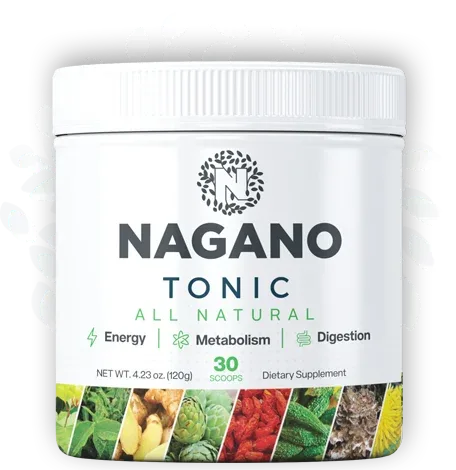
While whole foods and lifestyle changes form the bedrock of metabolic health, some individuals seek additional support. Nagano Tonic is designed as a natural dietary supplement to complement these efforts, offering a blend of ingredients traditionally associated with metabolic wellness.
Understanding the complex interplay of ingredients is crucial for any supplement. Nagano Tonic aims to support your body's natural processes, working in harmony with a balanced diet and regular exercise. For those interested in the specific components and their scientific backing, you might find more detailed information on Nagano Tonic's ingredients page. It's important to remember that supplements are not a magic bullet but can be a valuable tool when used responsibly as part of a comprehensive health strategy.

EGCG (Epigallocatechin Gallate)
Role: A powerful antioxidant found in green tea, EGCG is renowned for its ability to boost metabolism and enhance fat oxidation. It supports thermogenesis, helping the body burn more calories. This compound also contributes to overall cellular health, which is vital for efficient metabolic processes.
Typical Dose: 100-400mg daily
Panax Ginseng
Role: An adaptogenic herb, Panax Ginseng is often used to combat fatigue and enhance energy levels. It may also play a role in glucose metabolism and insulin sensitivity, helping the body manage blood sugar more effectively and potentially contributing to a healthier metabolic rate.
Typical Dose: 200-400mg daily
Chromium
Role: An essential trace mineral, Chromium is vital for carbohydrate and fat metabolism. It enhances the action of insulin, helping your body process glucose more efficiently and potentially reducing cravings for sugary foods. This can lead to better blood sugar control and stable energy.
Typical Dose: 200-1000mcg daily
Rhodiola Rosea
Role: Another adaptogenic herb, Rhodiola is known for its ability to help the body cope with stress. By reducing stress-induced fatigue and supporting a balanced mood, it can indirectly support metabolic function, as chronic stress can negatively impact metabolism and weight management.
Typical Dose: 100-600mg daily
Berberine
Role: A bioactive compound found in several plants, Berberine has been researched for its potential to activate an enzyme called AMPK, which plays a central role in regulating metabolism. It may help improve glucose uptake by cells, reduce fat storage, and support healthy cholesterol levels.
Typical Dose: 500-1500mg daily
Caffeine Anhydrous
Role: A concentrated form of caffeine, it acts as a stimulant that can temporarily increase metabolic rate and enhance fat burning. It also boosts energy levels and can improve focus, making it a common ingredient in supplements designed for weight management and performance.
Typical Dose: 50-200mg daily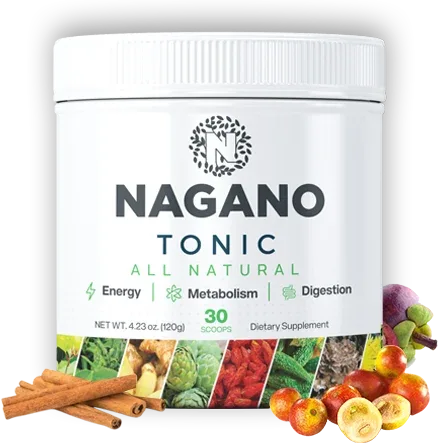
Revitalize Your Metabolism Naturally with Nagano Tonic!
Ready to experience the potential benefits of a naturally supported metabolism? Nagano Tonic offers a unique blend of powerful ingredients, carefully selected to work synergistically with your body's natural processes. It's designed to complement your healthy diet and active lifestyle, helping you feel more energetic and supporting your weight management goals.
- ✓ Supports a healthy metabolic rate
- ✓ Boosts natural energy levels
- ✓ Aids in healthy weight management
- ✓ Made with 100% natural ingredients
- ✓ Backed by a 60-Day Money-Back Guarantee




What Our Customers Say
"I've been trying to boost my metabolism for years with diet alone, but adding Nagano Tonic has made a noticeable difference. I feel more energetic throughout the day, and my digestion has improved. It's truly a great complement to my healthy eating habits."
"After reading about natural metabolism boosters, I decided to give Nagano Tonic a try. I'm so glad I did! Combined with a better diet, I've seen a positive shift in my energy levels and overall well-being. It helps me stay consistent with my health goals."
"As a busy mom, I needed something to help me feel more vibrant. Nagano Tonic, alongside focusing on metabolism-boosting foods, has given me that extra push. I feel less sluggish and more focused, which is a huge win for my daily routine."
Frequently Asked Questions
What exactly is metabolism and why is it important?
+Metabolism refers to all the chemical processes that occur in your body to maintain life. It converts the food you eat into energy, builds and repairs tissues, and eliminates waste. A healthy metabolism is crucial for energy levels, weight management, and overall bodily function.
Can certain foods really make a significant difference to my metabolic rate?
+Yes, absolutely. While genetics and activity levels play a role, the foods you consume have a direct impact on your metabolic rate. Foods rich in protein, fiber, and certain micronutrients can increase the thermic effect of food (TEF), requiring more energy to digest, thus subtly boosting your metabolism over time.
How quickly can I expect to see results from incorporating metabolism-boosting foods?
+Metabolic changes, especially through diet, are gradual and cumulative. You might notice increased energy or improved digestion within a few weeks. Significant changes in weight or body composition typically take months of consistent effort, combining a healthy diet with regular physical activity.
Are there any side effects to eating metabolism-boosting foods?
+Generally, incorporating natural, whole foods that boost metabolism is beneficial and without negative side effects, assuming no existing allergies or sensitivities. In fact, these foods often contribute to overall better health. It's always wise to listen to your body and consult a healthcare professional if you have concerns.
How does Nagano Tonic fit into a metabolism-boosting diet?
+Nagano Tonic is designed as a dietary supplement to complement a healthy lifestyle. It contains a blend of natural ingredients traditionally associated with metabolic support and energy enhancement. While not a replacement for whole foods, it can offer additional support for those looking to optimize their metabolism and weight management efforts.
Is Nagano Tonic suitable for everyone, especially those with existing health conditions?
+Nagano Tonic is formulated with natural ingredients, but as with any supplement, it's crucial to consult your healthcare provider before starting, especially if you have pre-existing medical conditions, are taking medication, or are pregnant or nursing. Your doctor can advise if it's appropriate for your individual health needs.
Related Articles