Feeling sluggish and finding it hard to shed those extra pounds despite your efforts?
You're not alone. Many individuals struggling with obesity or a naturally slow metabolism often face an uphill battle when it comes to weight loss. The good news is that strategic exercise, particularly High-Intensity Interval Training (HIIT) and targeted cardio, can be incredibly effective in reigniting your body's metabolic engine.
Understanding how to leverage these powerful workout methods can transform your body's ability to burn fat, increase energy levels, and improve overall health. This article will delve into the science behind these exercises and show you how to incorporate them into your routine for sustainable metabolic transformation.

Understanding Metabolism and Its Role in Weight Management
Before we jump into specific exercises, it's crucial to grasp what metabolism is and why it's so vital for weight loss, especially when dealing with obesity or a naturally slow metabolic rate.
Your metabolism is essentially the sum of all chemical processes that occur in your body to maintain life. It dictates how quickly your body converts the food you eat into energy. A "slow metabolism" often means your body burns calories at a lower rate, making it easier to gain weight and harder to lose it. This can be influenced by genetics, age, sex, body composition, and lifestyle factors. For individuals with obesity, metabolic dysregulation is a common challenge, often involving insulin resistance and chronic inflammation, further hindering weight loss efforts.
The primary component of your metabolism that influences weight is your Basal Metabolic Rate (BMR), which is the number of calories your body burns at rest to perform basic functions like breathing, circulation, and cell production. While BMR is largely determined by factors like age, sex, and genetics, muscle mass plays a significant role – more muscle means a higher BMR. The other key components are the thermic effect of food (calories burned digesting food) and the energy expended through physical activity. By strategically increasing physical activity, particularly with exercises that build muscle and elevate post-exercise calorie burn, we can significantly influence our overall metabolic rate.
💡 Key Takeaway
A slow metabolism makes weight loss challenging, especially for individuals with obesity. Strategic exercise, particularly HIIT and targeted cardio, can significantly boost your metabolic rate, enhance fat burning, and improve overall body composition.
HIIT: The Metabolic Game Changer
High-Intensity Interval Training (HIIT) has surged in popularity, and for good reason. It's a time-efficient workout method that delivers remarkable metabolic benefits, making it an excellent choice for those looking to accelerate fat loss and improve cardiovascular health.
HIIT involves short bursts of intense anaerobic exercise followed by brief, active recovery periods. This cycle is repeated multiple times. The intensity is key; during the high-intensity intervals, you should be pushing yourself to 80-95% of your maximum heart rate. For someone with a slow metabolism or obesity, this might mean a brisk walk turning into a light jog, or a moderate cycle turning into a sprint. The beauty of HIIT lies in its ability to trigger the EPOC (Excess Post-exercise Oxygen Consumption) effect, often referred to as the "afterburn." This means your body continues to burn calories at an elevated rate for hours after your workout as it recovers and restores itself to a pre-exercise state.
The Science Behind HIIT's Metabolic Boost:
- Increased Mitochondrial Density: HIIT stimulates the growth of mitochondria, the "powerhouses" of your cells, which are responsible for burning fat and glucose for energy. More mitochondria mean a more efficient metabolism.
- Enhanced Fat Oxidation: Studies show that regular HIIT can improve your body's ability to burn fat for fuel, both during and after exercise. This is particularly beneficial for individuals with obesity, where fat oxidation can often be impaired.
- Improved Insulin Sensitivity: HIIT has been shown to improve insulin sensitivity, meaning your cells become more responsive to insulin. This helps regulate blood sugar levels and reduces fat storage, a critical factor for managing and preventing type 2 diabetes often associated with obesity.
- Growth Hormone Release: High-intensity exercise triggers a significant release of human growth hormone (HGH), which plays a vital role in fat burning and muscle building.
Practical HIIT Workouts for All Levels:
Even if you're a beginner or have limitations due to obesity, HIIT can be adapted. Start with a 1:3 or 1:4 work-to-rest ratio (e.g., 15 seconds intense, 45-60 seconds recovery) and gradually progress to 1:2 or 1:1. Aim for 2-3 sessions per week on non-consecutive days.
- Walking/Jogging Intervals: Brisk walk for 3 minutes, then jog/run at a high intensity for 1 minute. Repeat 5-8 times.
- Cycling Sprints: Cycle at a moderate pace for 2 minutes, then sprint at maximum effort for 30 seconds. Repeat 6-10 times.
- Bodyweight Circuit: Perform squats, lunges, push-ups (modified on knees if needed), and plank for 30-45 seconds each with maximum effort, followed by 30 seconds rest between exercises. Complete 2-3 rounds.
- Stair Climbing: Climb stairs quickly for 1 minute, then walk slowly for 2 minutes. Repeat 5-7 times.
Remember to always warm up for 5-10 minutes before starting HIIT and cool down afterwards. Proper form is paramount to prevent injury, especially when starting with a higher body weight. Consult with a fitness professional to ensure your technique is correct and your program is safe and effective for your individual needs.
Cardio: The Foundation of Endurance and Calorie Burn
While HIIT offers intense metabolic boosts, traditional cardiovascular exercise remains a cornerstone of a healthy lifestyle and an effective tool for weight management, particularly for those with a slow metabolism or obesity.
Cardio, or aerobic exercise, involves continuous movement that elevates your heart rate and breathing for an extended period. Unlike HIIT, which focuses on short, intense bursts, cardio aims for a sustained moderate intensity (60-75% of maximum heart rate). This type of exercise directly burns calories during the activity, improves cardiovascular health, and builds endurance. For individuals with obesity, starting with moderate cardio can be less taxing on the joints and a great way to build a foundational level of fitness before incorporating more intense routines.
Direct Calorie Expenditure
Cardio directly burns a significant number of calories during the workout itself. The longer and more intensely you perform cardio, the more calories you expend, contributing directly to a calorie deficit needed for weight loss.
Improved Cardiovascular Health
Regular cardio strengthens your heart and lungs, improving their efficiency. This is crucial for overall health, reducing the risk of heart disease and improving blood circulation, which can be particularly beneficial for individuals with obesity.
Enhanced Stamina and Endurance
Consistent cardio training increases your stamina, allowing you to sustain physical activity for longer periods without fatigue. This can make daily tasks easier and pave the way for more intense workouts like HIIT in the future.
Stress Reduction and Mood Boost
Physical activity, especially cardio, releases endorphins, natural mood elevators that can reduce stress, anxiety, and depression. This holistic benefit supports sustained adherence to an exercise program and overall well-being.
Better Sleep Quality
Engaging in regular cardio can significantly improve sleep patterns. Quality sleep is essential for hormonal balance, appetite regulation, and metabolic function, all of which are critical for effective weight management and combating a slow metabolism.
Effective Cardio Workouts for Metabolic Health:
Aim for at least 150 minutes of moderate-intensity cardio or 75 minutes of vigorous-intensity cardio per week, spread across 3-5 days. For individuals with obesity, focus on activities that minimize joint impact initially.
- Brisk Walking: A fantastic starting point. Aim for 30-60 minutes, 3-5 times a week. Increase speed or incline as you get fitter.
- Swimming: A full-body, low-impact workout that's excellent for joint health. Try continuous laps for 30-45 minutes.
- Cycling (Stationary or Outdoor): Offers a great cardiovascular workout with less impact than running. Maintain a steady pace for 45-60 minutes.
- Elliptical Trainer: Provides a full-body workout with minimal joint stress, making it ideal for heavier individuals.
- Dancing: A fun and engaging way to get your heart rate up. Find a dance class or just put on some music at home for 30-45 minutes.
Combining both HIIT and moderate cardio into your weekly routine offers a comprehensive approach to boosting metabolism, improving fitness, and achieving sustainable weight loss. For more insights on natural fat burning, you can explore topics like Japanese weight loss tonics and their potential benefits.
Integrating Strength Training for Maximum Metabolic Impact
While HIIT and cardio are powerful, ignoring strength training would be a missed opportunity for anyone serious about overcoming a slow metabolism and combating obesity. Muscle is metabolically active tissue, meaning it burns more calories at rest than fat.
Building and maintaining muscle mass is arguably one of the most effective long-term strategies for increasing your BMR. For every pound of muscle you gain, your body burns an additional 6-10 calories per day at rest. While this might not sound like much individually, over time and with significant muscle gain, it adds up to a substantial increase in your daily calorie expenditure. Furthermore, strength training also contributes to the EPOC effect, similar to HIIT, keeping your metabolism elevated post-workout as your muscles repair and rebuild.
Benefits of Strength Training for Metabolism:
- Increased Basal Metabolic Rate (BMR): More muscle equals a higher BMR, meaning you burn more calories even when you're not exercising.
- Enhanced Fat Loss: Strength training helps preserve muscle mass during calorie deficits, ensuring that the weight you lose is primarily fat, not muscle.
- Improved Body Composition: By increasing muscle and decreasing fat, strength training sculpts your body, making you look leaner and stronger.
- Better Bone Density: It strengthens your bones, reducing the risk of osteoporosis, a common concern as we age.
- Functional Strength: Improves your ability to perform daily activities with ease, enhancing quality of life.
Incorporating Strength Training:
Aim for 2-3 full-body strength training sessions per week on non-consecutive days. Focus on compound movements that work multiple muscle groups simultaneously.
- Bodyweight Exercises: Squats, lunges, push-ups (on knees or against a wall if needed), planks, glute bridges.
- Resistance Bands: Add resistance to bodyweight exercises or perform exercises like band rows, bicep curls, and tricep extensions.
- Dumbbells/Kettlebells: Goblet squats, deadlifts (light weight, proper form), overhead presses, rows.
Start with lighter weights and focus on mastering proper form before increasing resistance. If you're new to strength training or have obesity, consider working with a certified personal trainer to ensure safety and effectiveness. Combining strength training with HIIT and cardio creates a synergistic effect, optimizing your metabolic health and accelerating your journey towards a healthier weight.
Beyond Exercise: Lifestyle Factors for a Thriving Metabolism
While exercise is critical, a truly optimized metabolism requires a holistic approach. Your daily habits, diet, and even your mental state play significant roles in how efficiently your body burns calories.
Prioritize Protein Intake
Protein has the highest thermic effect of food (TEF), meaning your body burns more calories digesting it than fats or carbs. It also helps preserve muscle mass, which is crucial for a higher BMR. Aim for lean protein sources like chicken, fish, eggs, legumes, and tofu at every meal.
Get Sufficient Sleep
Lack of sleep can disrupt hormones that regulate appetite (ghrelin and leptin) and increase cortisol, a stress hormone that promotes fat storage, especially around the belly. Aim for 7-9 hours of quality sleep per night to support metabolic function.
Stay Hydrated
Water is essential for all metabolic processes. Even mild dehydration can slow down your metabolism. Drink plenty of water throughout the day, especially before and after workouts, to keep your body functioning optimally.
Manage Stress Levels
Chronic stress leads to elevated cortisol, which can increase appetite, promote fat storage, and slow down your metabolism. Incorporate stress-reducing activities like meditation, yoga, deep breathing, or spending time in nature.
Eat Whole, Unprocessed Foods
Focus on nutrient-dense whole foods like fruits, vegetables, whole grains, and healthy fats. These foods provide essential vitamins and minerals that support metabolic pathways, unlike highly processed foods that often contain empty calories and can lead to metabolic dysfunction.
Consider Metabolic Support
Sometimes, even with consistent effort, the body needs an extra nudge. Natural supplements formulated with metabolism-boosting ingredients can offer complementary support. For insights into real experiences, you might want to read Nagano Tonic reviews for real results.
Nagano Tonic: A Natural Complement to Your Metabolic Journey
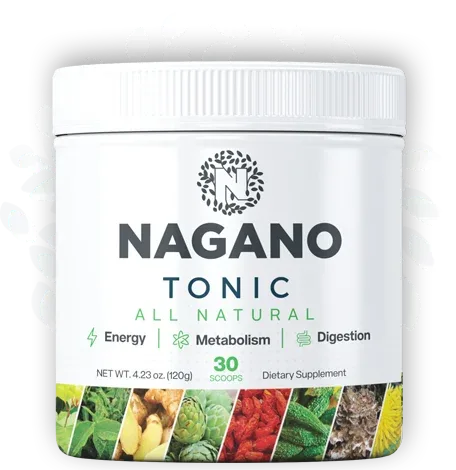
While exercise and diet are paramount, some individuals with a particularly slow metabolism or persistent struggles with obesity seek additional support. Nagano Tonic is a dietary supplement designed to complement a healthy lifestyle by providing a blend of natural ingredients traditionally used for metabolic health and weight management.
It's important to reiterate that supplements are not magic pills and should always be used in conjunction with a balanced diet and regular exercise. However, for those looking for an extra edge, the ingredients in Nagano Tonic are selected for their potential to support various aspects of metabolism, energy levels, and fat burning.

EGCG (Green Tea Extract)
Role: Known for its powerful antioxidant properties, EGCG can enhance fat oxidation and boost thermogenesis, helping the body burn more calories and fat.
150mg - 300mg
Panax Ginseng
Role: An adaptogen that may help improve energy levels, reduce fatigue, and support healthy blood sugar regulation, which is crucial for metabolic balance.
100mg - 200mg
Mangosteen
Role: Rich in antioxidants called xanthones, mangosteen is believed to support a healthy inflammatory response and may play a role in fat metabolism and blood sugar control.
50mg - 150mg
Ashwagandha
Role: This ancient adaptogenic herb helps the body manage stress, which can indirectly support metabolism by reducing cortisol levels, a hormone linked to belly fat storage.
100mg - 250mg
Ginger
Role: Widely used for its digestive benefits, ginger also has thermogenic properties that can slightly increase calorie burn and help regulate appetite.
50mg - 100mg
Cinnamon Bark
Role: Known for its ability to help improve insulin sensitivity and regulate blood sugar levels, which are critical for preventing fat storage and supporting a healthy metabolism.
50mg - 100mgThese ingredients, when combined with a consistent routine of HIIT, cardio, strength training, and a nutritious diet, may offer comprehensive support for individuals striving to boost their metabolism and achieve their weight management goals, especially those grappling with obesity or a persistently slow metabolic rate.
Ready to Supercharge Your Metabolism?
Combining the power of strategic exercise with a natural metabolic booster like Nagano Tonic can create a synergistic effect, helping you break through weight loss plateaus and achieve lasting results. Don't let a slow metabolism hold you back any longer.
- ✓ Supports a healthy metabolism
- ✓ Aids in natural fat burning
- ✓ Boosts energy levels and vitality
- ✓ Made with 100% natural ingredients
- ✓ Manufactured in a GMP-certified facility



Hear From Our Satisfied Customers
"I've struggled with a slow metabolism my entire adult life. Combining HIIT with Nagano Tonic has been a game-changer. I feel more energetic and the weight is finally coming off!"
"As someone battling obesity, I was skeptical. But adding Nagano Tonic to my cardio and strength routine really seemed to kickstart my fat loss. Highly recommend for an extra boost!"
"My energy levels were always low, and losing weight felt impossible. After a few weeks of consistent exercise and Nagano Tonic, I'm sleeping better, feeling more vibrant, and seeing real progress."
Frequently Asked Questions
What is the primary difference between HIIT and traditional cardio for metabolism?
+HIIT involves short bursts of intense exercise followed by brief recovery periods, leading to a significant 'afterburn effect' (EPOC) that keeps your metabolism elevated for hours post-workout. Traditional cardio, while beneficial, typically results in a lower, more immediate calorie burn without the same prolonged metabolic boost.
How often should someone with a slow metabolism or obesity incorporate HIIT into their routine?
+For individuals with slow metabolism or obesity, starting with 1-2 HIIT sessions per week, combined with 2-3 moderate cardio sessions, is often recommended. Gradually increase intensity and frequency as fitness improves, but avoid overtraining. Always listen to your body and consult a healthcare professional.
Can exercise alone reverse a slow metabolism?
+While exercise, especially HIIT and strength training, is a powerful tool for boosting metabolism and improving body composition, it's most effective when combined with a balanced, nutrient-dense diet and adequate sleep. A holistic approach is key to truly reversing a slow metabolism.
What are the best types of HIIT exercises for beginners with obesity?
+Beginners should focus on low-impact HIIT to protect joints. Examples include brisk walking with short jogging intervals, cycling, swimming, or bodyweight exercises like squats, lunges, and step-ups performed with high intensity for short periods. The key is to reach near-maximal effort safely.
How does proper nutrition complement exercise for metabolic health?
+Proper nutrition provides the fuel for your workouts and the building blocks for muscle repair and growth, both crucial for a healthy metabolism. Prioritizing lean protein, complex carbohydrates, healthy fats, and fiber helps regulate blood sugar, support hormone balance, and prevent energy crashes, optimizing your body's fat-burning potential.
Are there any risks associated with HIIT for individuals with obesity?
+Individuals with obesity should approach HIIT cautiously due to potential stress on joints and the cardiovascular system. It's crucial to start with appropriate modifications, ensure proper form, and gradually increase intensity. Consulting a doctor before starting any new high-intensity exercise program is strongly recommended, especially if you have pre-existing health conditions.
Related Articles