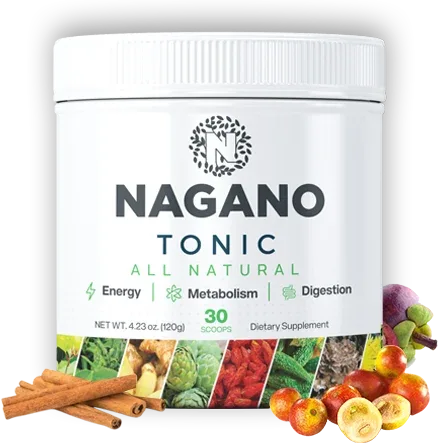
Feeling sluggish, struggling with weight, and always cold? Could a slow metabolism be the culprit?
In the quest for optimal health and a healthy weight, many individuals find themselves battling an invisible enemy: a sluggish metabolism. It's more than just a buzzword; your metabolism is the engine that drives every function in your body, from breathing to thinking, and critically, how efficiently you burn calories for energy. When this engine slows down, the consequences can be profound, impacting everything from your energy levels to your waistline.
For those grappling with persistent weight gain or the frustrating inability to shed pounds despite their best efforts, understanding the underlying causes of a slow metabolism is the first crucial step towards finding effective solutions. This article, penned by Dr. Helen Wong, a leading Metabolic Health Researcher, delves deep into the science behind slow metabolism, exploring its common causes, identifiable symptoms, and practical, evidence-based strategies to reignite your body's natural fat-burning furnace. We'll also gently introduce innovative approaches, including natural supplements like Nagano Tonic, as part of a holistic path to metabolic revitalization.

Understanding Your Metabolism: The Engine of Life
Before we dive into what slows metabolism down, let's establish what it truly is. Metabolism is a complex biochemical process where your body converts food and drinks into energy. This energy fuels everything from breathing and blood circulation to cell repair and physical activity. Your Basal Metabolic Rate (BMR) is the number of calories your body needs to perform these basic, life-sustaining functions while at rest. A faster metabolism means your body burns more calories at rest, making weight management easier, while a slower metabolism does the opposite.
Many people associate metabolism solely with weight. While it plays a significant role in how your body manages energy and fat stores, it also impacts your overall vitality, mood, cognitive function, and even immune response. When your metabolism isn't functioning optimally, you might experience a cascade of seemingly unrelated symptoms that collectively point to an underlying issue. This is particularly relevant for those facing the challenges of obesity and slow metabolism, where the body's energy expenditure is compromised, making weight loss a continuous uphill battle.
The good news is that while some factors influencing metabolism are beyond our immediate control, a significant portion can be influenced through informed lifestyle choices and, in some cases, targeted support. Understanding these dynamics is the first step toward reclaiming your metabolic health and achieving a more energetic, healthier you.
Identifying the Signs: Is Your Metabolism Sluggish?
Recognizing the symptoms of a slow metabolism is crucial for timely intervention. While some signs are subtle, others can significantly impact your daily life.
One of the most common indicators is unexplained weight gain or difficulty losing weight, even when you're diligently following a diet and exercise routine. If your body isn't burning calories efficiently, it stores them as fat, leading to frustrating plateaus or steady increases on the scale. Another prominent symptom is persistent fatigue and low energy levels. Since your body isn't converting food into energy effectively, you might feel tired throughout the day, lack motivation, and struggle with mental clarity.
Other tell-tale signs include feeling cold frequently, even in warm environments, as a slower metabolism generates less body heat. You might also notice dry skin, brittle nails, and hair loss, as metabolic slowdown can impact cellular regeneration. Digestive issues like constipation, mood swings, and difficulty concentrating (often referred to as 'brain fog') can also be linked to an underperforming metabolic system. If several of these symptoms resonate with your experience, it's worth exploring the potential causes of a sluggish metabolism.
💡 Key Takeaway
A slow metabolism manifests through symptoms like unexplained weight gain, persistent fatigue, cold sensitivity, and poor digestion. Recognizing these signs is crucial for understanding your body's metabolic state and seeking appropriate solutions.
The Root Causes of a Slow Metabolism
A slow metabolism isn't usually due to a single factor but rather a combination of genetic predispositions, lifestyle choices, and physiological conditions. Understanding these causes is the key to devising effective strategies for improvement.
1. Age: It's an undeniable fact that our metabolism naturally slows down as we age. After the age of 40, your BMR can decrease by 5-10% per decade. This is primarily due to a natural decline in muscle mass (sarcopenia) and hormonal shifts. Less muscle means fewer calories burned at rest, making it easier to gain weight even if your diet hasn't changed.
2. Genetics: While not a primary determinant, genetics can play a role in your inherent metabolic rate. Some individuals are simply born with a predisposition for a slower metabolism, meaning their bodies are more efficient at storing energy. However, genetic factors are rarely the sole cause and can often be mitigated by lifestyle.
3. Sedentary Lifestyle: A lack of physical activity is a major contributor to a sluggish metabolism. Regular movement, especially activities that build muscle or elevate your heart rate, boosts your metabolic rate. Without it, your body doesn't need to burn as many calories, and muscle mass can decline.
4. Poor Diet & Calorie Restriction: Chronically restricting calories too severely can trick your body into 'starvation mode,' causing it to conserve energy and slow down metabolism to protect itself. Furthermore, diets lacking in essential nutrients, particularly protein and fiber, can hinder metabolic efficiency. Protein has a higher thermic effect of food (TEF), meaning your body burns more calories digesting it than fats or carbs.
5. Sleep Deprivation: Insufficient or poor-quality sleep profoundly impacts metabolic hormones. Lack of sleep increases ghrelin (the hunger hormone) and decreases leptin (the satiety hormone), leading to increased appetite and cravings. It also raises cortisol levels, which can promote fat storage and insulin resistance, further slowing metabolism.
6. Chronic Stress: Similar to sleep deprivation, chronic stress elevates cortisol. High cortisol levels can lead to increased abdominal fat, blood sugar imbalances, and a general metabolic slowdown as the body prepares for a perceived threat, prioritizing energy storage over burning.
7. Hormonal Imbalances:
- Thyroid Dysfunction: The thyroid gland produces hormones that regulate nearly every metabolic process. An underactive thyroid (hypothyroidism) is a common cause of slow metabolism, leading to weight gain, fatigue, and cold intolerance.
- Insulin Resistance: When your cells become less responsive to insulin, glucose remains in the bloodstream, prompting the pancreas to produce more insulin. High insulin levels signal the body to store fat, making weight loss difficult and slowing overall metabolic function.
- Leptin Resistance: Leptin is a hormone that signals satiety. In leptin resistance, the brain doesn't receive these signals, leading to increased appetite and overeating, contributing to weight gain and metabolic dysfunction.
8. Gut Health Issues: An imbalanced gut microbiome can affect nutrient absorption, inflammation, and even hormone production, all of which have downstream effects on metabolism. Certain gut bacteria are more efficient at extracting calories from food, potentially contributing to weight gain.
9. Certain Medications: Some medications, such as antidepressants, beta-blockers, and corticosteroids, can have side effects that include weight gain and a slowed metabolism. If you suspect your medication is affecting your metabolism, consult your doctor.
Understanding these multifaceted causes empowers you to identify potential areas for intervention and embark on a more effective path to metabolic revitalization. For a deeper dive into natural strategies, you might find our article on how to boost metabolism naturally insightful.

Effective Strategies to Revitalize Your Metabolism
While some factors influencing metabolism are fixed, many are highly modifiable. By implementing strategic lifestyle changes, you can actively work to optimize your metabolic rate and enhance your body's fat-burning capabilities.
Optimize Your Diet for Metabolic Health
Focus on a diet rich in lean protein, healthy fats, and complex carbohydrates. Protein requires more energy to digest than fats or carbs, boosting your metabolism temporarily. Aim for 20-30g of protein per meal. Incorporate fiber-rich foods like vegetables, fruits, and whole grains, which support gut health and satiety. Stay well-hydrated, as water is essential for metabolic processes.
Embrace Strength Training and Regular Movement
Muscle tissue burns more calories at rest than fat tissue. Incorporating strength training into your routine 2-3 times a week can significantly increase your BMR over time. Don't forget about High-Intensity Interval Training (HIIT), which can create an "afterburn effect," meaning your body continues to burn calories at an elevated rate even after your workout. Additionally, increase Non-Exercise Activity Thermogenesis (NEAT) by taking stairs, walking more, and standing frequently.
Prioritize Quality Sleep
Aim for 7-9 hours of uninterrupted sleep per night. Creating a consistent sleep schedule and a relaxing bedtime routine can dramatically improve sleep quality. Adequate sleep helps regulate metabolic hormones like leptin and ghrelin, preventing cravings and supporting healthy energy balance. It also reduces cortisol levels, mitigating stress-induced metabolic slowdown.
Manage Stress Effectively
Chronic stress is a metabolic disruptor. Incorporate stress-reduction techniques into your daily life, such as meditation, yoga, deep breathing exercises, spending time in nature, or engaging in hobbies you enjoy. Lowering cortisol levels is vital for preventing fat storage and maintaining a healthy metabolic rate.
Support Your Gut Health
A healthy gut microbiome is increasingly recognized as critical for metabolic function. Consume fermented foods (yogurt, kimchi, sauerkraut) and plenty of prebiotics (fiber-rich foods like onions, garlic, bananas) to foster beneficial gut bacteria. A balanced gut can improve nutrient absorption, reduce inflammation, and positively influence weight management.
Consider Targeted Natural Support
While lifestyle changes are paramount, certain natural ingredients can offer additional support for metabolic function. Ingredients found in supplements like Nagano Tonic, such as EGCG from green tea, Panax Ginseng, and Banaba Leaf, are studied for their potential to support energy expenditure, fat oxidation, and healthy blood sugar levels. These can be a valuable addition to a holistic metabolic health plan, working synergistically with diet and exercise.
Nagano Tonic: A Natural Approach to Metabolic Harmony
In the pursuit of a revitalized metabolism, many individuals seek natural solutions that complement their healthy lifestyle choices. Nagano Tonic offers a unique blend of ingredients, carefully selected for their traditional use and scientific backing in supporting metabolic health, energy levels, and natural fat burning. It's designed to be one tool in your comprehensive strategy to combat a slow metabolism and achieve sustainable weight management.
Nagano Tonic works by targeting several key aspects of metabolic function. Its blend aims to support healthy digestion, enhance energy production, and promote the body's natural ability to oxidize fat. By focusing on a holistic approach, it helps create an internal environment where your metabolism can function more efficiently. This can translate into increased vitality, better weight management, and an overall sense of well-being. For those interested in exploring similar natural approaches, our article on Asian wellness supplements for weight provides further context.
It's important to remember that supplements are most effective when integrated into a balanced diet and regular exercise routine. Nagano Tonic is not a magic pill, but rather a supportive ally in your journey towards optimal metabolic health. Its natural formulation aims to provide the body with the nutrients it needs to perform its metabolic duties more effectively, gently nudging your system towards a more energetic and efficient state.
Key Ingredients in Nagano Tonic and Their Metabolic Benefits
Nagano Tonic's effectiveness stems from its carefully selected, potent natural ingredients, each playing a specific role in supporting metabolic health.

EGCG (from Green Tea)
Role: A powerful antioxidant known to boost thermogenesis (calorie burning) and fat oxidation. It also supports overall cellular health and has been linked to improved metabolic rate.
Typical dosage: 100-400mg
Panax Ginseng
Role: An adaptogen traditionally used to enhance energy levels, reduce fatigue, and support healthy blood sugar regulation. It can help the body adapt to stress, which is crucial for metabolic balance.
Typical dosage: 200-400mg
Banaba Leaf
Role: Contains corosolic acid, which is studied for its ability to support healthy blood glucose levels and improve insulin sensitivity. This can help prevent metabolic slowdown associated with blood sugar spikes.
Typical dosage: 10-30mg extract
Mangosteen
Role: Rich in xanthones, potent antioxidants with anti-inflammatory properties. It supports cellular health and may contribute to a healthy inflammatory response, which is beneficial for metabolic function.
Typical dosage: 100-500mg
Ashwagandha
Role: Another powerful adaptogen that helps the body manage stress and reduce cortisol levels. By mitigating stress, it indirectly supports a healthy metabolic rate and prevents stress-induced fat storage.
Typical dosage: 300-600mg extract
Ginger
Role: Known for its thermogenic properties, ginger can slightly increase calorie burning. It also supports digestion and helps reduce inflammation, contributing to overall gut and metabolic health.
Typical dosage: 500-2000mgThis synergistic blend of natural ingredients is what makes Nagano Tonic a compelling option for those looking to support their metabolic health naturally. For more insights into how customers are experiencing these benefits, you might be interested in reading Nagano Tonic reviews and real results.
Ready to Experience a Revitalized Metabolism? Try Nagano Tonic Today!
If you're tired of battling a sluggish metabolism and the frustration of slow weight loss, Nagano Tonic offers a natural, scientifically-backed path to support your metabolic health. Designed with a powerful blend of traditional and modern ingredients, it's your daily dose of metabolic revitalization.
- Supports healthy metabolic rate
- Boosts natural fat-burning processes
- Enhances energy levels and reduces fatigue
- Promotes healthy blood sugar regulation
- Made with 100% natural, potent ingredients



Beyond Weight Loss: The Broad Benefits of a Healthy Metabolism
Increased Energy & Vitality
A well-functioning metabolism efficiently converts food into energy, leading to sustained energy levels throughout the day. This reduces fatigue, enhances focus, and improves overall productivity, making you feel more vibrant and alive.
Improved Mood & Cognitive Function
Metabolic health is closely linked to brain health. An optimized metabolism ensures your brain receives a steady supply of glucose, supporting better mood regulation, sharper memory, and enhanced cognitive clarity, banishing brain fog.
Enhanced Cardiovascular Health
By promoting healthy weight management, blood sugar regulation, and fat oxidation, a robust metabolism contributes significantly to cardiovascular well-being, reducing risks associated with metabolic syndrome and promoting a healthy heart.
Better Hormonal Balance
A balanced metabolism supports the intricate dance of hormones in your body, including those related to hunger, satiety, stress, and reproduction. This leads to fewer cravings, better stress response, and overall hormonal harmony.
Stronger Immune System
When your body is efficiently processing nutrients and energy, your immune system benefits. Optimal metabolic function provides the necessary resources for immune cells to operate effectively, helping your body fight off illness and recover faster.
Healthy Aging Support
Maintaining a healthy metabolism as you age is crucial for longevity and quality of life. It helps preserve muscle mass, supports bone density, and keeps cellular processes running smoothly, contributing to a more active and independent senior life.
Real People, Real Metabolic Transformations
"I felt like my metabolism had completely stalled. After trying Nagano Tonic for a few months, combined with my regular walks, I finally started seeing results! More energy, less bloating, and the scale is actually moving. Highly recommend!"
"My doctor suggested I look into natural ways to boost my metabolism. Nagano Tonic was a great find. I feel less sluggish, my digestion has improved, and I'm not craving sugary snacks as much. It's truly helped me feel more in control."
"I was skeptical, but the natural ingredients convinced me to try Nagano Tonic. I've noticed a significant increase in my energy levels and my clothes are fitting better. It's a great addition to my healthy lifestyle. No jitters, just steady energy."
Frequently Asked Questions
What exactly is a 'slow metabolism' and how does it affect weight?
+A slow metabolism refers to a lower-than-average basal metabolic rate (BMR), meaning your body burns fewer calories at rest. This can make it harder to lose weight and easier to gain it, as excess calories are more readily stored as fat. Symptoms often include persistent fatigue, difficulty shedding pounds despite diet and exercise, and feeling cold more often.
Are there common medical conditions that contribute to a slow metabolism?
+Yes, several medical conditions can significantly impact metabolic rate. Hypothyroidism (underactive thyroid) is a primary example, as thyroid hormones regulate metabolism. Insulin resistance, often a precursor to type 2 diabetes, can also disrupt fat burning. Other conditions like Cushing's syndrome or certain hormonal imbalances can also play a role. Consulting a healthcare professional for diagnosis and treatment is crucial.
How much impact do diet and exercise truly have on boosting metabolism?
+Diet and exercise are foundational pillars for metabolic health. A diet rich in protein and fiber, combined with adequate hydration, can increase the thermic effect of food and support muscle mass. Strength training, in particular, builds muscle, which is metabolically active and burns more calories at rest than fat. High-intensity interval training (HIIT) can also create an 'afterburn effect,' elevating calorie expenditure post-workout. Their combined effect is significant and sustainable.
Can stress and lack of sleep really slow down metabolism?
+Absolutely. Chronic stress elevates cortisol levels, which can promote fat storage, especially around the abdomen, and disrupt blood sugar regulation. Sleep deprivation similarly affects hormones like ghrelin (hunger) and leptin (satiety), leading to increased appetite and reduced energy expenditure. Both stress and poor sleep can profoundly hinder metabolic function, making them critical areas to address for metabolic improvement.
What role do natural supplements like Nagano Tonic play in supporting metabolism?
+Natural supplements can complement a healthy lifestyle by providing targeted nutritional support. Nagano Tonic, for instance, contains ingredients like EGCG, Panax Ginseng, and Banaba Leaf, which are traditionally recognized for their potential to support energy levels, fat oxidation, and healthy blood sugar. While not a magic bullet, when combined with diet and exercise, such supplements can help optimize the body's natural metabolic processes. Always choose high-quality, natural options.
How long does it take to see improvements in metabolism once I start making changes?
+The timeline for metabolic improvement varies greatly depending on individual factors, the severity of the metabolic slowdown, and the consistency of your efforts. While some people may notice increased energy and modest weight loss within a few weeks of consistent dietary changes and exercise, significant metabolic adaptations, like increased muscle mass or hormonal balance, can take several months. Persistence and patience are key for sustainable results.
Related Articles