Are You Struggling to Lose Stubborn Belly Fat?
For many, the battle against abdominal fat feels like an uphill climb. Despite efforts with diet and exercise, that persistent bulge around the midsection remains, often leading to frustration and a sense of hopelessness. It's not just about aesthetics; this type of fat, particularly visceral fat, poses significant health risks that extend far beyond how your clothes fit.
Understanding the true causes behind its accumulation is the first step towards effectively addressing it. Many people don't realize that their struggle isn't just about calories in vs. calories out, but often stems from deeper, underlying issues like a slowed metabolism and systemic inflammation. Unlocking these secrets can pave the way for real, lasting change.

What Exactly is Belly Fat and Why is Visceral Fat a Concern?
Before we dive into causes and solutions, it's vital to differentiate between general belly fat and its more insidious form: visceral fat. Understanding this distinction is key to appreciating the urgency of addressing it.
When we talk about "belly fat," we're generally referring to the adipose tissue (fat) that accumulates around your abdominal area. This can be broadly categorized into two types: subcutaneous fat and visceral fat. Subcutaneous fat is the jiggly fat you can pinch just under your skin. While excess subcutaneous fat can be aesthetically displeasing and contribute to overall weight gain, it's generally considered less harmful than its deeper counterpart.
Visceral fat, on the other hand, is the fat that's stored deep within your abdominal cavity, surrounding your vital organs like the liver, pancreas, and intestines. Unlike subcutaneous fat, you can't easily feel or pinch visceral fat. It's often referred to as "hidden fat" because it's not always evident from your outward appearance – even individuals who appear relatively thin can harbor dangerous levels of visceral fat. This type of fat is metabolically active, meaning it doesn't just sit there; it actively releases inflammatory compounds and hormones that can disrupt normal bodily functions.
The accumulation of high levels of visceral fat is directly linked to a significantly increased risk of various serious health conditions. These include type 2 diabetes, heart disease, stroke, certain cancers, and even dementia. It can also exacerbate conditions like sleep apnea and fatty liver disease. Its presence is a strong indicator of metabolic dysfunction, often signaling a slow metabolism that struggles to efficiently process energy and burn fat.
Therefore, when our focus shifts from simply "losing belly fat" to "burning visceral fat," we're talking about a critical step towards improving overall health and longevity, not just achieving a flatter stomach.
💡 Key Takeaway
Visceral fat is the dangerous "hidden fat" surrounding your organs, actively releasing inflammatory substances. It poses a far greater health risk than subcutaneous belly fat and is often a sign of underlying metabolic issues.
The Root Causes of Stubborn Belly Fat and a Slow Metabolism
Identifying why visceral fat accumulates is crucial for effective intervention. It's rarely a single factor but rather a complex interplay of lifestyle choices, genetics, and metabolic processes.
1. Dietary Choices: The Modern Diet's Impact
Our modern diet plays a significant role in the rise of abdominal obesity. Consuming excessive amounts of refined carbohydrates, sugars, and unhealthy fats from processed foods can lead to rapid fat storage, particularly around the midsection. Sugary drinks, white bread, pastries, and fried foods contribute to insulin resistance, a condition where your body's cells stop responding effectively to insulin. When insulin can't do its job of moving glucose into cells, the pancreas produces more, leading to chronically high insulin levels that signal your body to store fat, especially visceral fat.
2. Lack of Physical Activity: A Sedentary Lifestyle
In today's world, many jobs and daily routines involve prolonged sitting. A sedentary lifestyle directly contributes to a slower metabolism and reduced calorie expenditure. Without regular physical activity, your body doesn't burn as many calories, leading to a caloric surplus that is often stored as fat. Moreover, exercise, particularly strength training, builds muscle mass, which is metabolically active and helps burn more calories even at rest. A lack of muscle mass further slows down your metabolism, making it harder to shed fat.
3. Chronic Stress and Cortisol Levels
Stress is an unavoidable part of life, but chronic, unmanaged stress can have profound effects on your body composition. When you're stressed, your adrenal glands release cortisol, often called the "stress hormone." While cortisol is vital for short-term survival, persistently high levels of cortisol promote the storage of fat, specifically in the abdominal region. Cortisol also increases appetite and cravings for high-sugar, high-fat comfort foods, creating a vicious cycle of stress-eating and fat accumulation. Managing stress is therefore a key component in burning visceral fat.
4. Poor Sleep Quality and Duration
The importance of sleep for overall health, including weight management, is often underestimated. Insufficient or poor-quality sleep disrupts the balance of hormones that regulate appetite and metabolism. Specifically, it can increase ghrelin (the hunger hormone) and decrease leptin (the satiety hormone), leading to increased food intake and cravings. Furthermore, lack of sleep can elevate cortisol levels, contributing to visceral fat storage. Aiming for 7-9 hours of quality sleep per night is fundamental for a healthy metabolism and effective fat burning.
5. Age and Hormonal Changes
As we age, both men and women experience hormonal shifts that can make belly fat accumulation more likely. In women, menopause leads to a drop in estrogen levels, which can cause fat to redistribute from the hips and thighs to the abdomen. In men, declining testosterone levels with age can also contribute to increased visceral fat. These hormonal changes often coincide with a natural slowing of metabolism, making it more challenging to maintain a healthy weight and reduce abdominal fat.
6. Genetic Predisposition
While lifestyle factors are paramount, genetics can also play a role in where your body tends to store fat. Some individuals may be genetically predisposed to store more fat in the abdominal area compared to others. However, it's crucial to remember that genetics are not destiny. While they might influence your susceptibility, lifestyle choices remain the most powerful tools for managing and reducing visceral fat, even with a genetic predisposition.
7. A Slow or Dysfunctional Metabolism
At the core of many of these issues is a sluggish metabolism. Your metabolism is the process by which your body converts food and drinks into energy. If your metabolism is slow, your body burns fewer calories at rest, making it easier to gain weight and harder to lose it. A slow metabolism can be influenced by all the factors listed above, plus other elements like thyroid function, nutrient deficiencies, and the health of your gut microbiome. When your metabolic engine isn't running efficiently, fat burning becomes incredibly difficult, especially the stubborn visceral fat.
8. Gut Microbiome Imbalance
Emerging research highlights the critical role of the gut microbiome in weight management and metabolic health. An imbalance of gut bacteria (dysbiosis) can affect how your body stores fat, regulates blood sugar, and even influences your appetite. Certain types of gut bacteria are associated with greater fat storage and inflammation, which can contribute to visceral fat accumulation. Supporting a healthy gut microbiome through diet and targeted interventions is becoming increasingly recognized as a vital strategy for weight loss and metabolic health. You can learn more about this connection in our article on the gut microbiome and weight loss.
The Dangers of High Visceral Fat: More Than Just a Cosmetic Concern
Ignoring visceral fat isn't an option. Its active metabolic nature means it's constantly impacting your health, often silently, until serious complications arise.
Increased Risk of Heart Disease
Visceral fat releases inflammatory molecules (cytokines) and free fatty acids directly into the liver, which can lead to higher levels of "bad" LDL cholesterol and triglycerides. This process significantly increases your risk of developing cardiovascular diseases, including heart attacks and strokes.
Type 2 Diabetes Development
High visceral fat is a major contributor to insulin resistance, where your body's cells become less responsive to insulin. This forces the pancreas to produce more insulin, eventually leading to elevated blood sugar levels and the onset of type 2 diabetes.
Systemic Inflammation
The inflammatory compounds released by visceral fat contribute to chronic low-grade inflammation throughout the body. This systemic inflammation is implicated in a wide array of chronic diseases, from arthritis to certain cancers and even neurodegenerative conditions.
Hormonal Imbalances
Visceral fat can disrupt hormone production and regulation, affecting everything from appetite-regulating hormones (leptin, ghrelin) to sex hormones. This imbalance can further perpetuate weight gain and make fat loss more challenging.
Increased Cancer Risk
Research suggests a link between high visceral fat and an elevated risk of certain cancers, including colorectal, pancreatic, and breast cancer. The inflammatory and hormonal effects of visceral fat are believed to play a role in promoting tumor growth.
Fatty Liver Disease
Due to its proximity and direct connection to the liver via the portal vein, visceral fat can contribute to the accumulation of fat in the liver, leading to non-alcoholic fatty liver disease (NAFLD), which can progress to more severe liver conditions.
Effective Strategies to Burn Visceral Fat and Boost Metabolism
Tackling visceral fat requires a multi-faceted approach that addresses the underlying causes, focusing on both lifestyle changes and metabolic support.
1. Prioritize a Whole-Food, Nutrient-Dense Diet
The foundation of visceral fat loss begins with your plate. Focus on a diet rich in whole, unprocessed foods:
- High-Quality Protein: Include lean meats, fish, eggs, legumes, and dairy in every meal. Protein helps you feel full, preserves muscle mass, and has a higher thermic effect, meaning your body burns more calories digesting it.
- Fiber-Rich Foods: Load up on fruits, vegetables, whole grains, and legumes. Fiber aids digestion, promotes satiety, and helps stabilize blood sugar levels, reducing insulin spikes that contribute to fat storage.
- Healthy Fats: Incorporate avocados, nuts, seeds, and olive oil. Healthy fats are crucial for hormone production and satiety, but consume them in moderation due to their high caloric density.
- Limit Processed Foods, Sugars, and Refined Carbs: These are the primary culprits behind insulin resistance and visceral fat accumulation. Cut back on sugary drinks, candies, fast food, and white flour products.
2. Embrace Regular, Varied Physical Activity
Exercise is non-negotiable for burning visceral fat and boosting metabolism. A combination of different types of exercise is most effective:
- High-Intensity Interval Training (HIIT): Short bursts of intense exercise followed by brief recovery periods can be highly effective at burning calories and fat, including visceral fat, in a shorter amount of time.
- Strength Training: Building muscle mass is key to a faster metabolism. Muscles burn more calories at rest than fat tissue. Incorporate weightlifting or bodyweight exercises 2-3 times per week.
- Aerobic Exercise: Moderate-intensity cardio like brisk walking, jogging, cycling, or swimming for at least 30 minutes most days of the week helps burn calories and improve cardiovascular health.
- NEAT (Non-Exercise Activity Thermogenesis): Increase your daily movement outside of structured workouts. Take stairs, walk during phone calls, stand more often. Every bit of movement contributes to calorie expenditure.
3. Master Stress Management Techniques
Given cortisol's role in visceral fat storage, effectively managing stress is paramount.
- Mindfulness and Meditation: Regular practice can help reduce cortisol levels and promote a sense of calm.
- Yoga and Deep Breathing: These practices combine physical activity with stress reduction, offering a dual benefit.
- Hobbies and Social Connections: Engage in activities you enjoy and spend time with loved ones to foster emotional well-being.
- Adequate Sleep: As mentioned, good sleep is a powerful stress reducer.
4. Prioritize Quality Sleep
Aim for 7-9 hours of uninterrupted sleep each night. Establish a consistent sleep schedule, create a relaxing bedtime routine, and optimize your sleep environment (dark, quiet, cool room) to improve sleep quality. Avoiding screens before bed and limiting caffeine/alcohol in the evening can also help.
5. Consider Metabolic Support Supplements
While diet and exercise are foundational, certain natural supplements can provide valuable support, especially for those struggling with a slow metabolism or age-related metabolic decline. These supplements often contain ingredients traditionally known to aid digestion, enhance fat oxidation, and boost energy levels. They should be seen as an adjunct to a healthy lifestyle, not a replacement.
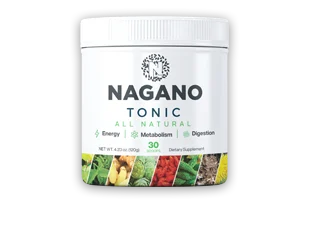
One such supplement designed with these principles in mind is Nagano Tonic. Rooted in ancient Japanese wellness traditions, Nagano Tonic combines potent natural ingredients known for their metabolic-boosting and fat-burning properties. It aims to revitalize a sluggish metabolism, support healthy digestion, and help the body more efficiently target and burn stubborn fat, including visceral fat. Many users have found it to be a valuable addition to their weight management journey, as highlighted in Nagano Tonic reviews and real results.
Nagano Tonic: Nature's Approach to Metabolic Revival
Nagano Tonic is formulated with a powerful blend of natural ingredients, each carefully selected for its potential to support a healthy metabolism, enhance fat burning, and promote overall well-being. Many of these ingredients have been staples in traditional Asian wellness practices for centuries, known for their restorative properties. Learn more about how these principles are applied in modern supplements by reading our article on Asian wellness supplements for weight loss.

EGCG (Green Tea Extract)
Role: Known for its powerful antioxidant properties, EGCG is a primary catechin in green tea that supports thermogenesis and fat oxidation. It helps boost metabolism and encourages the body to use fat for energy.
Typical Dose: 200-400mg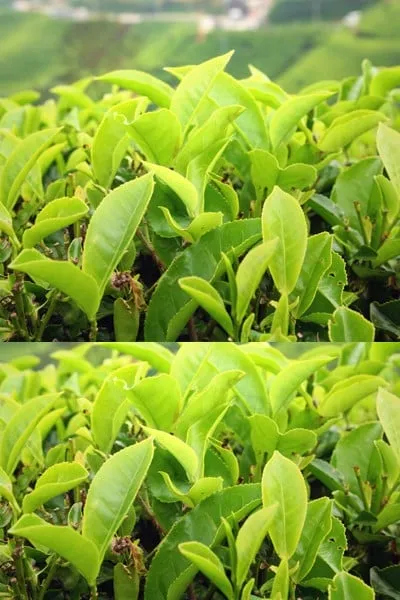
Panax Ginseng
Role: An adaptogen known to help the body cope with stress and enhance energy levels. It may also play a role in regulating blood sugar and supporting a healthy metabolism, potentially reducing fat storage.
Typical Dose: 200-400mg
L-Carnitine
Role: A crucial amino acid derivative that helps transport fatty acids into the mitochondria of cells, where they are burned for energy. This process is vital for fat metabolism and energy production.
Typical Dose: 500-2000mg
Chromium Picolinate
Role: An essential trace mineral that enhances the action of insulin, helping to regulate blood sugar levels. Improved insulin sensitivity can reduce cravings and prevent excess fat storage, particularly in the abdominal area.
Typical Dose: 200-1000mcg
Ginger Root
Role: A well-known digestive aid and anti-inflammatory agent. Ginger can help improve digestion, reduce bloating, and has thermogenic properties that may slightly boost metabolism and fat burning.
Typical Dose: 250-1000mg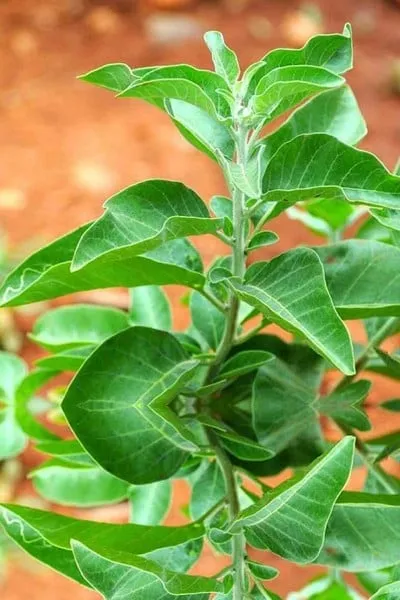
Cinnamon Bark
Role: Renowned for its ability to improve insulin sensitivity and help regulate blood glucose levels, similar to chromium. This can reduce fat accumulation, especially around the midsection, and curb sugar cravings.
Typical Dose: 500-1000mg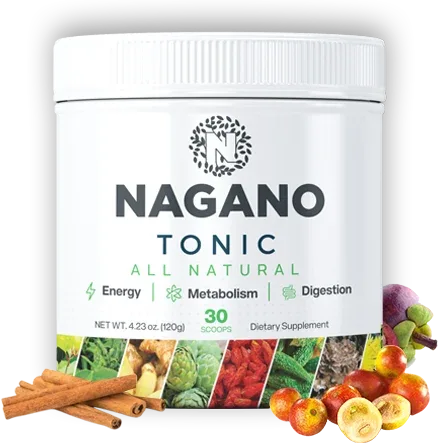
Ready to Reclaim Your Metabolism and Target Stubborn Fat?
If you're tired of battling stubborn belly fat and suspect a slow metabolism is holding you back, Nagano Tonic offers a scientifically-backed, natural approach. By combining potent ingredients known for their metabolic-boosting and fat-burning properties, Nagano Tonic can help you reignite your body's natural ability to shed excess weight, particularly the dangerous visceral fat.
- ✓ Supports a healthy, active metabolism
- ✓ Aids in natural fat burning, especially visceral fat
- ✓ Boosts energy levels and reduces fatigue
- ✓ Formulated with 100% natural, plant-based ingredients
- ✓ Manufactured in a GMP-certified, FDA-approved facility in the USA



What Our Customers Are Saying
"I've tried everything for my stubborn belly fat, but Nagano Tonic actually made a difference! My energy is up, and I'm finally seeing my waistline shrink. It's been a game-changer for my metabolism."
"As someone with a naturally slow metabolism, I was skeptical. But after a few weeks with Nagano Tonic, I felt lighter, less bloated, and my digestion improved significantly. It's helped me feel more in control of my weight."
"The energy boost from Nagano Tonic is noticeable, and it's helped me stay consistent with my workouts. I've lost inches around my waist, and my doctor even commented on my improved metabolic markers. Highly recommend!"
Frequently Asked Questions
What is the difference between belly fat and visceral fat?
+Belly fat refers to all fat around the abdomen, while visceral fat is a specific type of fat stored deep within the abdominal cavity, surrounding organs. Visceral fat is metabolically more dangerous due to its active role in inflammation and hormone disruption.
Can stress really cause belly fat?
+Yes, chronic stress leads to elevated cortisol levels. Cortisol promotes the storage of fat, particularly in the abdominal region, and can also increase appetite, leading to overeating and further fat accumulation.
How long does it take to burn visceral fat?
+The timeline varies greatly depending on individual factors like starting weight, diet, exercise regimen, and metabolic health. Consistent lifestyle changes can show results in a few weeks, but significant visceral fat reduction often takes several months.
Is Nagano Tonic a quick fix for belly fat?
+Nagano Tonic is designed to support metabolic health and natural fat burning, especially for those with a slow metabolism. While it can accelerate progress, it's most effective when combined with a balanced diet and regular exercise, and it's not a magic bullet.
Are there any side effects from Nagano Tonic?
+Nagano Tonic is formulated with natural ingredients and is generally well-tolerated. However, as with any supplement, individual reactions can vary. It's always recommended to consult with a healthcare professional before starting any new supplement, especially if you have existing medical conditions or are taking other medications.
What lifestyle changes are most important for reducing visceral fat?
+The most impactful changes include adopting a whole-food diet rich in protein and fiber, engaging in regular physical activity (both cardio and strength training), prioritizing 7-9 hours of quality sleep, and implementing stress management techniques.
Related Articles